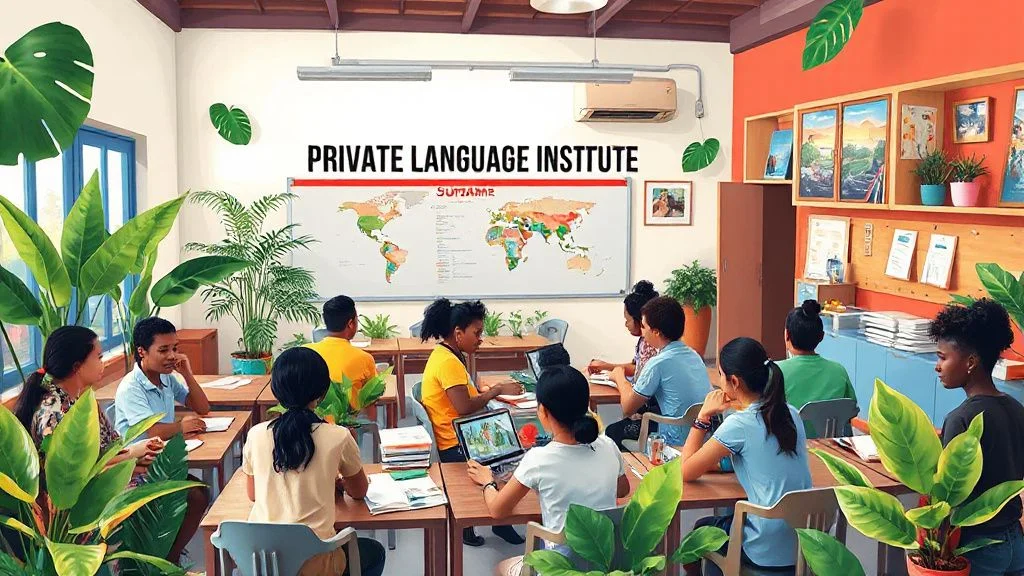
Teaching at a private language institute in Suriname can be a rewarding opportunity for educators looking to immerse themselves in a vibrant culture while sharing their knowledge of the English language. This article outlines the qualifications, requirements, and considerations for those interested in pursuing a teaching position at these institutions.
Qualifications for Teaching at Private Language Institutes
To teach at a private language institute in Suriname, candidates typically need to meet specific educational and professional qualifications. While a bachelor's degree is not always mandatory, it is highly preferred by most employers, especially in established language institutes. A degree in education, linguistics, or a related field can significantly enhance a candidate's prospects.
Additionally, possessing a recognized teaching certification, such as a TEFL (Teaching English as a Foreign Language), TESOL (Teaching English to Speakers of Other Languages), or CELTA (Certificate in English Language Teaching to Adults), is often essential. These certifications equip teachers with the necessary skills and methodologies for effective language instruction, making them more competitive in the job market.
Experience and Language Proficiency
While some positions may be available for entry-level teachers, having prior teaching experience can be a significant advantage. Many private language institutes prefer candidates with at least one year of teaching experience, particularly in ESL (English as a Second Language) settings. Experience working with diverse student populations can also be beneficial, as Suriname's classrooms often include multilingual learners.
Proficiency in English is a must, and candidates are usually expected to demonstrate native-level fluency. Knowledge of Dutch or Sranan Tongo, the local creole language, can be advantageous but is not always required. Understanding local languages can help teachers connect better with students and navigate cultural nuances.
Visa and Work Permit Requirements
Foreign nationals wishing to teach at private language institutes in Suriname must obtain the appropriate work visa and residence permit. The process can vary depending on the candidate's nationality and the specific requirements of the employer. Generally, the hiring institution will assist successful candidates in obtaining the necessary documentation.
To apply for a work visa, candidates typically need to provide several documents, including a valid passport, a clean criminal record, proof of qualifications, and a health check. It is advisable to consult the Surinamese embassy or consulate for the most current information regarding visa applications and any specific requirements that may apply to different nationalities.
Employer Sponsorship and Documentation
Many private language institutes in Suriname will sponsor their teachers for work permits, which simplifies the process for foreign educators. However, candidates should ensure that their employment contract clearly outlines the terms of sponsorship, including who will handle the visa application process and any associated costs.
It is crucial for teachers to have a written contract that specifies compensation, working hours, preparation time, leave entitlements, and any benefits such as health insurance or housing assistance. This contract should also detail the conditions under which employment may be terminated.
Cultural Considerations for Teaching in Suriname
Understanding and respecting the local culture is vital for teachers working in Suriname. The country is known for its rich cultural diversity, with influences from various ethnic groups, including Creoles, Hindustanis, Javanese, and Indigenous peoples. Teachers should be aware of local customs, traditions, and social norms to foster positive relationships with students and colleagues.
Incorporating elements of Surinamese culture into lesson plans can enhance the learning experience and make lessons more relatable for students. Teachers are encouraged to engage with the community and participate in local events, which can provide valuable insights into the cultural context in which they are teaching.
Building Relationships with Students
Establishing rapport with students is essential for effective teaching. Surinamese society values politeness and respect, so maintaining a friendly and professional demeanor is crucial. Teachers should strive to create an inclusive and supportive classroom environment that encourages participation and fosters a love for learning.
Learning a few phrases in Sranan Tongo can also demonstrate a teacher's commitment to understanding the local culture and can help bridge communication gaps with students who may be more comfortable in their native language.
Practical Tips for Aspiring Teachers
For those considering a teaching position at a private language institute in Suriname, here are some practical tips:
- Research Institutions: Investigate various language institutes in Suriname to find those that align with your teaching philosophy and values.
- Network: Connect with other expatriate teachers or local educators to gain insights into the job market and potential opportunities.
- Prepare Documentation: Ensure all required documents, such as your CV, teaching certificates, and references, are up to date and ready for submission.
- Be Culturally Sensitive: Familiarize yourself with Surinamese customs and social norms to better integrate into the community and classroom.
- Stay Informed: Regularly check for updates on visa regulations and employment conditions, as these can change frequently.
Conclusion
Teaching at a private language institute in Suriname offers a unique opportunity for educators to share their knowledge while experiencing a rich and diverse culture. By meeting the necessary qualifications, understanding visa requirements, and embracing the local culture, aspiring teachers can successfully navigate the process of securing a teaching position and making a positive impact in the lives of their students.