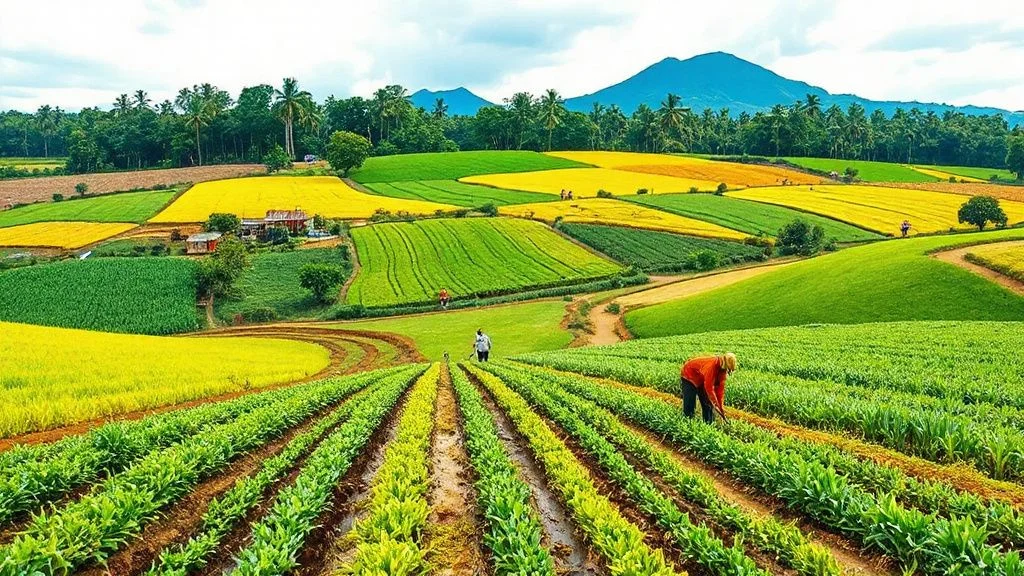
In Suriname, seasonal agricultural roles are vital for the economy, particularly in rural districts where agriculture is a primary source of employment. Understanding the specific contract requirements for these roles is essential for both employers and employees. This article outlines the necessary legal considerations, types of contracts, and practical advice for navigating the seasonal labor market in Suriname.
Understanding Seasonal Employment Contracts
Seasonal employment contracts are designed to address the temporary nature of agricultural work, which often aligns with specific harvest periods or planting seasons. These contracts must be clear about the duration of employment, job responsibilities, and compensation. In Suriname, the legal framework governing employment contracts is based on Dutch civil law, which emphasizes the need for written agreements to protect both parties.
Typically, a seasonal contract will specify the start and end dates of employment, which is crucial for both the employer and the employee to understand the temporary nature of the job. Employers should ensure that the contract includes details about work hours, duties, and any potential overtime, as well as the terms of payment. This clarity helps prevent disputes and ensures that both parties have aligned expectations.
Key Elements of a Seasonal Contract
When drafting a seasonal employment contract in Suriname, several key elements must be included to comply with local labor laws and protect the rights of workers. These elements typically encompass:
- Duration of Employment: Clearly state the start and end dates of the seasonal work.
- Job Description: Outline specific duties and responsibilities associated with the role.
- Compensation: Detail the wage structure, including any bonuses or incentives for productivity.
- Work Hours: Specify the expected working hours and any provisions for overtime pay.
- Termination Conditions: Include terms under which either party can terminate the contract early.
Employers are encouraged to consult with legal professionals to ensure that their contracts are compliant with Suriname's labor laws and adequately protect their interests while also respecting workers' rights.
Legal Considerations for Employers
Employers hiring seasonal workers in agricultural districts must adhere to specific legal requirements to avoid potential disputes and ensure compliance with Suriname's labor regulations. One critical aspect is the registration of the employment contract with the Ministry of Labor, which helps formalize the employment relationship and provides legal protection for both parties.
Three published rules decide most of what a seasonal contract may contain. The wage floor is the general minimum wage, an hourly one, at SRD 61.25 gross per hour, in force since 1 July 2026 under decision no. 777/26 of 3 July 2026 and published in the Advertentieblad van de Republiek Suriname; it applies to every sector, and no monthly minimum has been fixed. Hours are capped by article 3(1) of the Arbeidswet 1963 at 8.5 a day or 48 a week, and overtime needs a permit from the Inspecteur-Generaal der Arbeidsinspectie. Leave is governed by the Vacantiewet 1975, which matters particularly for short engagements: article 7(3) gives one working day of paid leave for every full month of service when the employment does not run a whole calendar year, and article 10(1) adds a holiday allowance of half the wage due over those days. Compliance is supervised by the Directoraat Arbeidsinspectie.
Rights and Responsibilities of Seasonal Workers
Seasonal workers in Suriname have specific rights that are protected under labor laws. These rights include the right to receive fair compensation for their work, access to safe working conditions, and the right to join labor unions if they choose. Understanding these rights is essential for workers to advocate for themselves and ensure they are treated fairly in the workplace.
Moreover, seasonal workers should be aware of their responsibilities, which typically include adhering to the terms of their employment contract, performing their duties to the best of their ability, and following safety protocols established by their employer. By understanding both rights and responsibilities, seasonal workers can contribute positively to the agricultural sector while protecting their interests.
Practical Tips for Employers and Workers
For employers looking to hire seasonal workers, it is advisable to create a comprehensive job description that clearly outlines the expectations and requirements of the role. This clarity will help attract suitable candidates and minimize misunderstandings. Additionally, establishing a good working relationship with seasonal workers can lead to better productivity and job satisfaction.
For workers, it is essential to review the employment contract carefully before signing. Ensure that all terms are clearly stated and that you understand your rights and responsibilities. If any terms seem unclear or unfair, consider discussing them with the employer or seeking advice from a local labor organization.
What Expats Should Know
Expats seeking seasonal agricultural work in Suriname should familiarize themselves with the local labor laws and customs. Understanding the legal framework surrounding employment contracts is crucial, as it can differ significantly from their home countries. Additionally, expats should be aware of the process for obtaining work permits, which is necessary for foreign nationals working in Suriname.
Networking with local agricultural businesses and participating in community events can also provide valuable insights and job opportunities. Building relationships within the local agricultural sector can enhance job prospects and facilitate a smoother transition into the Surinamese labor market.
In conclusion, understanding the requirements for seasonal employment contracts in Suriname's agricultural districts is essential for both employers and workers. By ensuring that contracts are clear, compliant with local laws, and respectful of workers' rights, both parties can foster a productive and fair working environment. Expats should take the time to learn about local labor practices and seek guidance when necessary to navigate the seasonal job market effectively.
Last updated: November 2026