In Suriname, apprenticeships in technical trades are a vital pathway for individuals seeking to gain practical skills and enter the workforce. This article outlines the requirements for apprenticeships, including eligibility criteria, training processes, and what aspiring apprentices can expect throughout their journey. By understanding these aspects, candidates can better prepare themselves for a successful career in the technical trades.
Understanding Apprenticeships in Technical Trades
An apprenticeship is a structured training program that combines on-the-job training with classroom instruction. In Suriname, these programs are designed to equip individuals with the necessary skills to excel in various technical fields, such as construction, electrical work, plumbing, and automotive repair. The goal is to create a skilled workforce that meets the demands of the local job market.
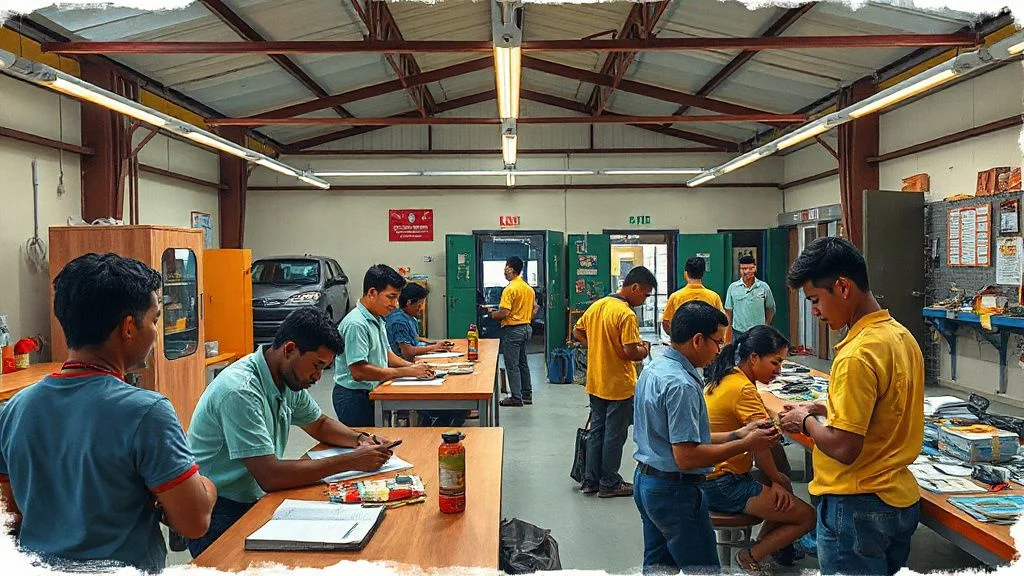
Typically, apprenticeships last between two to four years, depending on the trade and the specific program. During this time, apprentices work under the guidance of experienced professionals, gaining hands-on experience while also attending classes to learn the theoretical aspects of their trade. This dual approach ensures that apprentices are well-prepared for their future careers.
Eligibility Requirements for Apprenticeships
To qualify for an apprenticeship in a technical trade in Suriname, candidates must meet certain eligibility criteria. These requirements may vary slightly depending on the specific trade and training provider, but generally include the following:
- Age: Candidates typically need to be at least 16 years old to apply for an apprenticeship. Some programs may require candidates to be older, particularly for more advanced trades.
- Educational Background: A minimum level of education is usually required. Most apprenticeship programs expect candidates to have completed at least their junior secondary education (MULO) or its equivalent. Some technical trades may require a higher level of education.
- Physical Fitness: Many technical trades require physical stamina and the ability to perform manual labor. Candidates may need to pass a physical fitness assessment to ensure they can handle the demands of the job.
- Background Check: Some employers may conduct background checks to ensure candidates have no criminal history that would disqualify them from working in certain environments.
Application Process for Apprenticeships
The application process for apprenticeships in Suriname typically involves several steps:
- Research Available Programs: Candidates should research various apprenticeship programs offered by technical schools, vocational training centers, and private companies. Each program may have different requirements and specializations.
- Prepare Application Documents: Applicants will need to prepare a resume and cover letter highlighting their interest in the trade and relevant skills. It is advisable to include any previous experience, even if it is informal, such as helping family members with repairs or projects.
- Submit Applications: Candidates should submit their applications to the selected training providers or employers. This may involve filling out an application form and providing supporting documents.
- Interviews: Successful candidates may be invited for an interview. This is an opportunity to demonstrate enthusiasm for the trade and discuss any relevant experience. Candidates should prepare by researching common interview questions and practicing their responses.
- Acceptance and Enrollment: Once accepted, candidates will need to complete any necessary enrollment paperwork and may need to pay a registration fee, which varies by program.
Training Components of an Apprenticeship
Apprenticeships in technical trades consist of two main components: on-the-job training and classroom instruction. This combination ensures that apprentices gain both practical skills and theoretical knowledge.
On-the-Job Training
During the on-the-job training phase, apprentices work under the supervision of experienced tradespeople. This hands-on experience is crucial as it allows apprentices to apply what they learn in the classroom to real-world situations. Apprentices typically start with basic tasks, such as assisting with equipment setup or performing simple repairs, and gradually take on more complex responsibilities as they gain confidence and skills.
Classroom Instruction
Classroom instruction complements the on-the-job training by providing apprentices with the theoretical knowledge necessary for their trade. This may include subjects such as safety protocols, technical drawings, and the principles of electricity or plumbing. Classes are often held at technical schools or vocational training centers and may be taught by qualified instructors with industry experience.
Common Challenges and How to Overcome Them
While apprenticeships can be rewarding, candidates may face challenges during their training. Here are some common obstacles and tips for overcoming them:
- Time Management: Balancing work and study can be challenging. Apprentices should develop a schedule that allocates time for both on-the-job training and classroom studies. Utilizing planners or digital calendars can help keep track of important deadlines and commitments.
- Technical Difficulties: Some apprentices may struggle with the technical aspects of their trade. Seeking help from mentors or instructors is essential. Additionally, apprentices can take advantage of online resources, such as instructional videos and forums, to reinforce their learning.
- Physical Demands: The physical nature of many technical trades can be demanding. Apprentices should prioritize their health by maintaining a balanced diet, staying hydrated, and engaging in regular exercise to build stamina.
What Expats Should Know About Apprenticeships
For expatriates considering an apprenticeship in Suriname, there are specific factors to keep in mind:
- Work Permits: Foreign candidates must obtain a work permit to participate in an apprenticeship program. This process typically involves securing a job offer from a local employer who is willing to sponsor the work permit application. It is advisable to consult the Ministry of Labour for the latest regulations and requirements.
- Cultural Adaptation: Understanding local customs and workplace culture is crucial for success. Expat apprentices should take the time to learn about Surinamese culture, including communication styles and workplace etiquette.
- Language Skills: Proficiency in Dutch or Sranan Tongo can be beneficial, as these are commonly spoken languages in Suriname. Improving language skills can enhance communication with mentors and colleagues.
Conclusion
Apprenticeships in technical trades offer a valuable opportunity for individuals in Suriname to gain practical skills and enter the workforce. By understanding the eligibility requirements, application process, and training components, aspiring apprentices can better prepare themselves for success. Additionally, recognizing common challenges and seeking support can help overcome obstacles during the apprenticeship journey. For expatriates, navigating work permits and cultural adaptation is essential for a smooth transition into the local labor market.
Ultimately, a successful apprenticeship can lead to a fulfilling career in a technical trade, contributing to personal growth and the development of Suriname's economy.