In Suriname, nursing positions in district hospitals are critical for delivering healthcare services to local communities. This article outlines the qualifications, skills, and legal requirements necessary for aspiring nurses, as well as practical advice for securing a position in this vital sector.
Educational Qualifications
To work as a nurse in a district hospital in Suriname, candidates must typically hold a relevant nursing degree. This may include a Bachelor of Science in Nursing (BSN) or an Associate Degree in Nursing (ADN). These programs provide foundational knowledge in anatomy, physiology, pharmacology, and patient care, which are essential for effective nursing practice.
In Suriname, nursing programs are offered by various institutions, including the Anton de Kom University of Suriname. Prospective students should verify that their chosen program is accredited and recognized by the Ministry of Health (VG) to ensure that their qualifications will be valid for employment in the healthcare system.
Licensing and Registration
After completing a nursing program, graduates must obtain a nursing license to practice legally in Suriname. This process involves passing a national licensing examination administered by the Ministry of Health. The exam assesses the candidate's knowledge and competency in nursing practices.
Once licensed, nurses must also register with the Suriname Nurses Association (SNA), which serves as a professional body for nurses in the country. Registration with the SNA is essential for maintaining professional standards and accessing ongoing education and training opportunities.
Key Skills and Competencies
In addition to formal education and licensing, nurses in district hospitals must possess a range of skills and competencies. These include:
- Clinical Skills: Nurses must be proficient in various clinical procedures, such as administering medications, performing wound care, and monitoring vital signs.
- Communication Skills: Effective communication is crucial for interacting with patients, families, and healthcare team members. Nurses should be able to explain medical procedures clearly and provide emotional support to patients.
- Critical Thinking: Nurses must be able to assess patient conditions, identify potential complications, and make informed decisions quickly, especially in emergency situations.
- Teamwork: Collaboration with other healthcare professionals is essential for delivering comprehensive patient care. Nurses should be able to work effectively within multidisciplinary teams.
Work Environment and Responsibilities
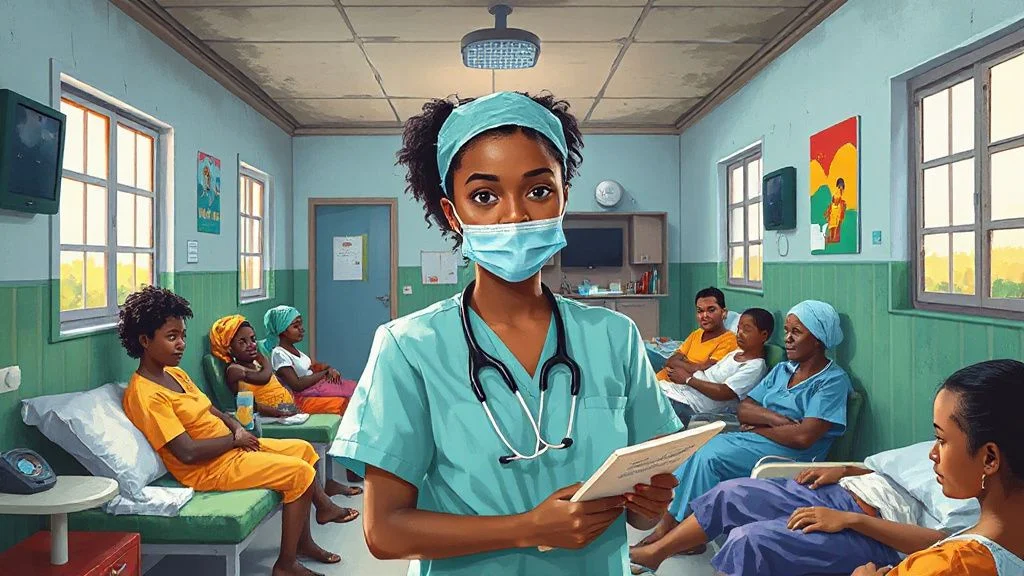
Nurses in district hospitals in Suriname typically work in a variety of settings, including inpatient wards, outpatient clinics, and emergency departments. Their responsibilities may include:
- Patient Care: Providing direct care to patients, including monitoring their health status, administering treatments, and assisting with daily activities.
- Documentation: Keeping accurate records of patient care, including assessments, interventions, and outcomes, which are essential for continuity of care.
- Patient Education: Teaching patients and their families about health management, medication adherence, and preventive care.
- Collaboration: Working closely with physicians, pharmacists, and other healthcare providers to develop and implement patient care plans.
Legal Requirements for Foreign Nurses
Foreign candidates seeking nursing positions in Suriname must navigate specific legal requirements. These include obtaining a work permit, which is essential for any foreign national wishing to work in the country. The process involves several steps:
- Job Offer: Secure a job offer from a district hospital in Suriname. This is a prerequisite for applying for a work permit.
- Application Submission: Submit a work permit application to the Ministry of Labor. This application typically requires documentation such as a valid passport, proof of qualifications, and a letter from the employer.
- The decision: gov.sr does publish the handling time for a work permit, so there is no need to write several weeks: a decision follows within 30 days of submission, and in special circumstances the handling may be extended by a further 30 days. The permit is granted by the directeur van Arbeid, and the employer and the foreign worker may appeal to the minister van Arbeid within 30 days of being notified.
- Visa Application: Once the work permit is approved, candidates must apply for a visa at the Surinamese embassy or consulate in their home country.
It is advisable for foreign nurses to consult with the Suriname Nurses Association or a legal professional specializing in immigration to ensure compliance with all regulations.
Salary Expectations
Suriname publishes no salary scale per job, and that is the whole of the answer rather than a preface to one: no ministry, statistics office or professional body puts out a series, so there is nothing to quote and nothing a reader could check. The one published and enforceable figure is the general minimum hourly wage of SRD 61.25 gross per hour, in force since 1 July 2026 under decision no. 777/26 of 3 July 2026, taken on the advice of the Nationale Loonraad and published in the Advertentieblad van de Republiek Suriname, and it applies to every sector. No monthly minimum has been fixed. What you can establish in your own case is the gross hourly wage, the contracted hours, the pay date and the deductions; ask for those four in writing and set the first against that floor.
Practical Tips for Aspiring Nurses
For those looking to secure a nursing position in a district hospital in Suriname, consider the following practical tips:
- Networking: Connect with current nurses and healthcare professionals in Suriname through social media platforms or professional organizations. Networking can provide valuable insights and job leads.
- Volunteering: Gaining experience through volunteer opportunities in healthcare settings can enhance your resume and demonstrate your commitment to the field.
- Continuous Education: Stay updated on the latest nursing practices and healthcare trends by attending workshops, seminars, and online courses. This not only improves your skills but also makes you a more attractive candidate.
- Prepare for Interviews: Familiarize yourself with common interview questions for nursing positions and practice your responses. Highlight your clinical skills, teamwork, and adaptability during the interview process.
What Expats Should Know
For expatriates considering a nursing career in Suriname, understanding the local culture and healthcare system is essential. Here are some key points:
- Cultural Sensitivity: Be aware of the diverse cultural backgrounds of patients in Suriname. Understanding cultural differences can improve patient interactions and care.
- Language Skills: While many healthcare professionals speak English, knowledge of Dutch or Sranan Tongo can be beneficial for effective communication with patients and colleagues.
- Healthcare Challenges: Be prepared to work in an environment that may face resource limitations. Flexibility and creativity in problem-solving are crucial skills in such settings.
Conclusion
Securing a nursing position in a district hospital in Suriname requires a combination of education, licensing, and practical skills. Understanding the legal requirements for foreign nurses, along with salary expectations and cultural nuances, can significantly enhance your chances of success. By following the outlined steps and tips, aspiring nurses can navigate the path to a rewarding career in Suriname's healthcare system.