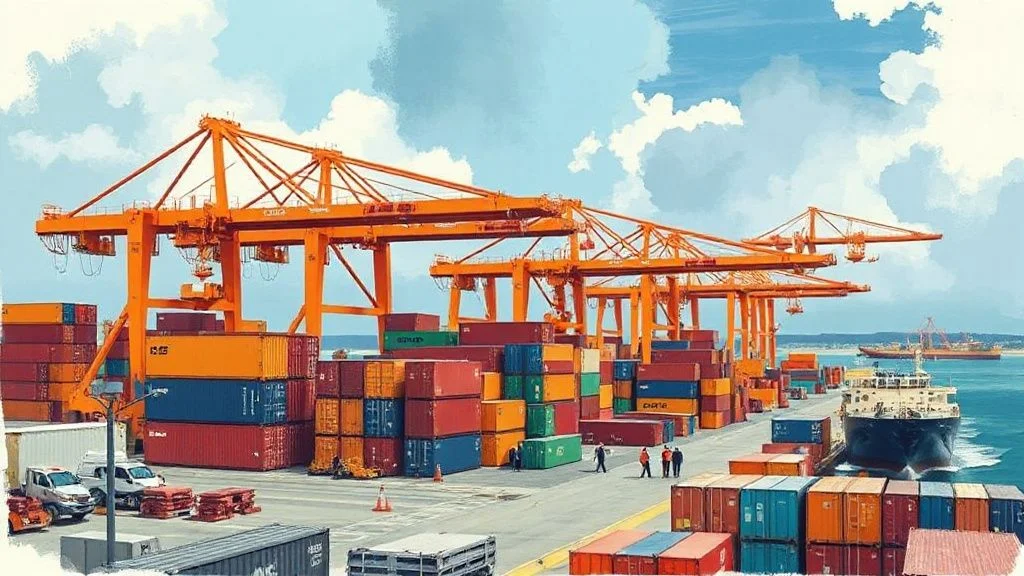
Logistics roles at container terminals are crucial for the efficient movement of goods in and out of Suriname. These positions require a blend of technical skills, industry knowledge, and compliance with local regulations. This article will explore who may qualify for these roles, the necessary qualifications, and the legal requirements for both local and foreign candidates seeking employment in Suriname's logistics sector.
Understanding Logistics Roles at Container Terminals
Logistics roles at container terminals encompass a variety of positions, including logistics coordinators, operations managers, and supply chain analysts. Each role plays a vital part in ensuring that cargo is handled efficiently, safely, and in compliance with regulations. Typically, these positions require candidates to have a strong understanding of supply chain management, inventory control, and transportation logistics.
For instance, a logistics coordinator is responsible for overseeing the movement of goods, managing schedules, and ensuring that all documentation is accurate. This role often requires proficiency in logistics software and a solid understanding of maritime regulations. Similarly, operations managers are tasked with supervising terminal operations, which may include managing staff, optimizing processes, and liaising with shipping companies and customs officials.
Qualifications for Logistics Roles
To qualify for logistics roles at container terminals in Suriname, candidates generally need a combination of education and experience. A bachelor's degree in logistics, supply chain management, business administration, or a related field is often preferred. Some positions may also require specific certifications, such as Certified Supply Chain Professional (CSCP) or Certified in Production and Inventory Management (CPIM).
Experience in the logistics or shipping industry is highly valued. Candidates with prior experience in roles such as warehouse management, transportation coordination, or inventory control are often more competitive. Employers set their own experience requirements and no published standard exists for the role, so read the requirement off the vacancy itself rather than from a figure quoted as usual in the sector.
Skills Required
In addition to formal qualifications, specific skills are essential for success in logistics roles. These include:
- Analytical Skills: The ability to analyze data and make informed decisions is critical. Logistics professionals often use data to optimize routes, reduce costs, and improve efficiency.
- Communication Skills: Effective communication is vital in logistics, as professionals must coordinate with various stakeholders, including suppliers, customers, and regulatory agencies.
- Problem-Solving Skills: Logistics can be unpredictable, and professionals must be able to quickly address issues such as delays or equipment failures.
- Technical Proficiency: Familiarity with logistics software and tools is increasingly important. Candidates should be comfortable using systems for tracking shipments and managing inventory.
Legal Requirements for Employment in Suriname
Foreign candidates seeking logistics roles at container terminals in Suriname must navigate specific legal requirements. The Surinamese government regulates the employment of foreign workers to protect local job opportunities. Typically, foreign candidates must obtain a work permit before starting employment.
The process for obtaining a work permit involves several steps. First, the employer must demonstrate that the position cannot be filled by a local candidate. This often requires providing evidence of a recruitment process that includes advertising the position locally and interviewing potential candidates. Once this is established, the employer can apply for a work permit on behalf of the foreign employee.
Types of Work Permits
Suriname does not publish a list of work-permit types, and the categories that circulate online cannot be traced to a Surinamese source. What gov.sr does publish about the procedure is the following:
- Who grants it: the permit is granted by the directeur van Arbeid, and the application goes to the afdeling Werkvergunning Vreemdelingen of that ministry.
- How long it takes and how to object: a decision follows within 30 days of submission, extendable by a further 30 days in special circumstances. The employer and the foreign worker may appeal to the minister van Arbeid within 30 days of being notified. The validity period is stated in the decision itself, not in a published schedule.
It is advisable for foreign candidates to consult with a legal professional or a local immigration expert to ensure compliance with all regulations and to streamline the application process.
Salary Expectations and Employment Contracts
Salary expectations for logistics roles at container terminals vary widely with experience, qualifications and the responsibilities of the position, and this article gives no figures for them. Suriname has no published salary scale per occupation: the Algemeen Bureau voor de Statistiek issues no wage benchmark by job title, no ministry publishes a pay table for private-sector work, and the figures that turn up on international salary sites are modelled from other countries rather than measured here. A recruitment agency can tell you what its own clients are offering, which is worth hearing, but it is a party to the placement and not a published source. The one wage figure that is both published and enforceable is the floor: the statutory minimum hourly wage, set by ministerial decision on the advice of the Nationale Loonraad and published in the Advertentieblad.
Employment contracts in Suriname typically outline the terms of employment, including salary, benefits, working hours, and termination conditions. It is essential for candidates to carefully review their contracts and ensure they understand their rights and obligations. Common benefits may include health insurance, transportation allowances, and vacation days.
Common Pitfalls to Avoid
When applying for logistics roles, both local and foreign candidates should be aware of common pitfalls. These include:
- Inadequate Documentation: Ensure that all required documents, such as educational certificates and work experience letters, are in order before applying for a job or a work permit.
- Ignoring Local Regulations: Familiarize yourself with Suriname's labor laws and regulations to avoid potential legal issues.
- Underestimating Language Barriers: Proficiency in Dutch or English is often required, as these are the primary languages used in business communications.
Practical Tips for Job Seekers
For those looking to secure a logistics role at a container terminal in Suriname, consider the following practical tips:
- Network: Building connections within the logistics industry can open doors to job opportunities. Attend industry events, join professional associations, and engage with local logistics professionals on platforms like LinkedIn.
- Tailor Your CV: Customize your CV to highlight relevant experience and skills that align with the job description. Use keywords from the job posting to increase your chances of passing through applicant tracking systems.
- Prepare for Interviews: Research the company and be ready to discuss how your skills and experience make you a suitable candidate for the role. Prepare for common interview questions related to logistics and supply chain management.
What Expats Should Know
Expats considering a logistics career in Suriname should be aware of the cultural and professional landscape. Understanding local customs and business etiquette can significantly impact your success in the job market. For instance, building personal relationships is often valued in Suriname's business culture, so take the time to connect with colleagues and stakeholders.
Additionally, familiarize yourself with the local cost of living, as this can affect salary negotiations. While salaries may seem lower than in some Western countries, the cost of living in Suriname is also generally lower, which can balance out your overall financial situation.
In conclusion, logistics roles at container terminals in Suriname offer exciting opportunities for both local and foreign candidates. By understanding the qualifications required, navigating legal requirements, and preparing effectively for the job market, you can position yourself for success in this dynamic field. Whether you are a local job seeker or an expat looking to make a career move, being informed and proactive will enhance your chances of securing a rewarding logistics position.