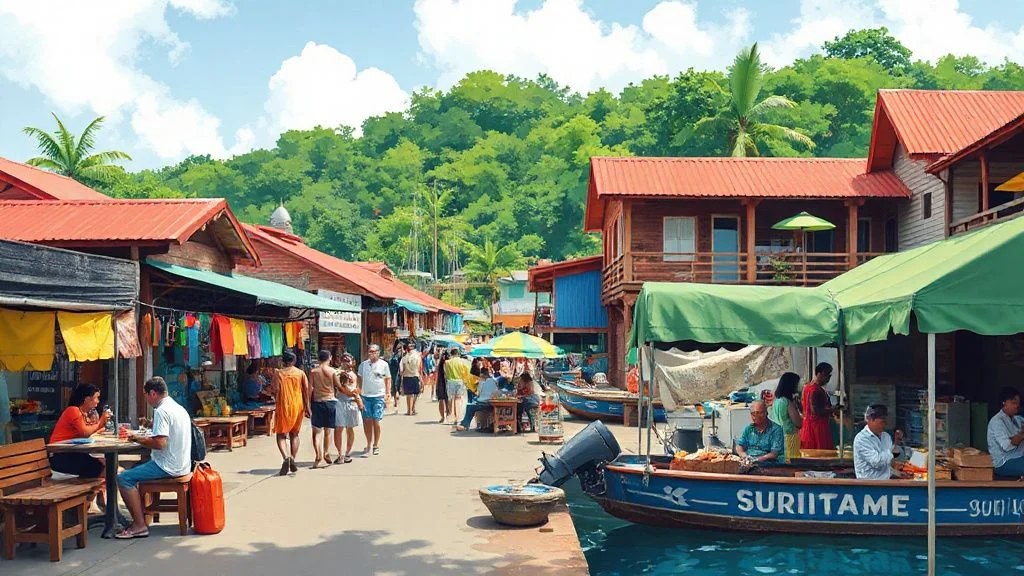
Suriname's waterfront is becoming an increasingly popular destination for both tourists and business travelers, particularly as the country prepares for significant economic changes driven by the oil sector. This growth has led to a rising demand for hospitality roles along the picturesque rivers and coastal areas. Understanding who may work in these roles involves navigating local labor laws, work permit requirements, and the specific skills needed for success in the hospitality industry.
Understanding the Hospitality Landscape in Suriname
The hospitality sector in Suriname is evolving, especially in waterfront areas where natural beauty meets cultural richness. Hotels, restaurants, and recreational facilities are expanding to accommodate both local and international visitors. As the demand for hospitality services increases, so does the need for a skilled workforce.
Hospitality roles can range from front-of-house positions such as receptionists and waitstaff to back-of-house roles like chefs and maintenance staff. Each of these positions requires different skills and qualifications, and the ability to work in these roles can depend on various factors, including nationality, work permits, and local hiring practices.
Who Can Work in Hospitality Roles?
Local Candidates
Suriname has a diverse population, and local candidates are often preferred for hospitality roles due to their familiarity with the culture and language. Citizens of Suriname can work freely in any hospitality position without the need for a work permit. This includes roles in hotels, restaurants, and tourist attractions along the waterfront.
Local candidates typically benefit from a deeper understanding of Suriname's customs and traditions, which can enhance the guest experience. For example, knowledge of local cuisine and cultural practices can be a significant advantage for those working in food and beverage services.
Foreign Candidates
Foreign candidates interested in working in Suriname's hospitality sector must navigate specific legal requirements. Generally, foreign nationals are required to obtain a work permit before they can legally work in the country. The process for obtaining a work permit can vary based on the applicant's nationality and the specific role they are applying for.
Typically, foreign candidates must have a job offer from a Surinamese employer who is willing to sponsor their work permit application. The employer must demonstrate that they have made efforts to hire local candidates before seeking foreign workers. This is to ensure that the local workforce is prioritized, especially in a developing sector like hospitality.
Work Permit Requirements
gov.sr does publish a handling time for a work permit, so there is no need to work from a vague number of weeks: a decision follows within 30 days of submission, and in special circumstances the handling may be extended by a further 30 days. The permit is granted by the directeur van Arbeid and the application goes to the labour ministry's afdeling Werkvergunning Vreemdelingen; the employer and the foreign worker may appeal to the minister van Arbeid within 30 days of being notified of the decision. Here’s a general outline of the process:
- Job Offer: Secure a job offer from a Surinamese employer.
- Employer sponsorship: the employer submits the application to the afdeling Werkvergunning Vreemdelingen of the labour ministry on behalf of the foreign candidate.
- Documentation: Provide necessary documentation, including a valid passport, a copy of the employment contract, and any relevant qualifications or certifications.
- Approval Process: The Ministry of Labor will review the application. This process may include verifying that the employer has attempted to hire local candidates.
- Permit Issuance: If approved, the work permit will be issued, allowing the foreign candidate to work legally in Suriname.
It is advisable for foreign candidates to consult with a local immigration lawyer or a licensed professional to navigate the work permit process effectively. This can help avoid common pitfalls and ensure compliance with local laws.
Skills and Qualifications Needed
In addition to legal requirements, candidates must possess specific skills and qualifications to succeed in hospitality roles. These may include:
- Language Skills: Proficiency in Dutch and English is often required, as these are the primary languages used in the hospitality sector. Knowledge of other languages, such as Spanish or Portuguese, can be an asset, especially in tourist-heavy areas.
- Customer Service Skills: Strong interpersonal skills are essential for roles that involve direct interaction with guests. This includes the ability to communicate effectively, resolve conflicts, and provide excellent service.
- Technical Skills: Depending on the role, technical skills may be required. For example, chefs need culinary training, while hotel managers may require knowledge of hospitality management software.
- Cultural Awareness: Understanding local customs and traditions can enhance the guest experience and is particularly important in a culturally diverse country like Suriname.
What Expats Should Know
For expatriates considering a hospitality role on the waterfront, there are several important factors to keep in mind:
- Networking: Building a professional network can be invaluable. Joining local hospitality associations or attending industry events can help expats connect with potential employers and other professionals in the field.
- Training Opportunities: There are various hospitality training programs available in Suriname. Engaging in these programs can enhance skills and improve employability. Some local institutions may offer courses in hospitality management, culinary arts, and customer service.
- Understanding Local Culture: Familiarizing oneself with Surinamese culture, cuisine, and customs can greatly improve the ability to connect with guests and colleagues. This cultural knowledge can be a significant asset in the hospitality industry.
- Legal Compliance: Ensure that all work permits and legal documents are in order. Non-compliance can lead to legal issues, including fines or deportation.
Salary Expectations and Employment Contracts
Salary expectations in the hospitality sector can vary widely based on the role, experience, and the establishment. While specific salary figures are not published, it is advisable to research typical salaries for specific positions through local job boards or by consulting with industry professionals.
Employment contracts in Suriname typically outline the terms of employment, including salary, working hours, and benefits. It is essential for both local and foreign workers to carefully review their contracts to ensure they understand their rights and obligations. Common elements to look for include:
- Salary and Payment Terms: Ensure clarity on the salary amount, payment frequency, and any bonuses or commissions.
- Working Hours: Understand the expected working hours and any provisions for overtime.
- Benefits: Review any benefits offered, such as health insurance, vacation days, and sick leave.
- Termination Clause: Be aware of the conditions under which employment can be terminated by either party.
Conclusion
The hospitality sector along Suriname's waterfront offers exciting opportunities for both local and foreign candidates. Understanding the legal requirements, necessary skills, and cultural nuances is crucial for success in this growing industry. As Suriname prepares for increased tourism and business travel, the demand for skilled hospitality workers will continue to rise. By navigating the work permit process, enhancing relevant skills, and embracing local culture, candidates can position themselves for rewarding careers in this vibrant sector.