In Suriname, the agricultural sector plays a vital role in the economy, contributing significantly to the country's GDP and providing employment opportunities, particularly in rural areas. Seasonal roles in agriculture are essential for managing the cyclical nature of farming activities, especially during planting and harvesting periods. This article explores how these roles are advertised, the platforms used, and practical advice for job seekers looking to secure employment in this sector.
Understanding the Agricultural Landscape in Suriname
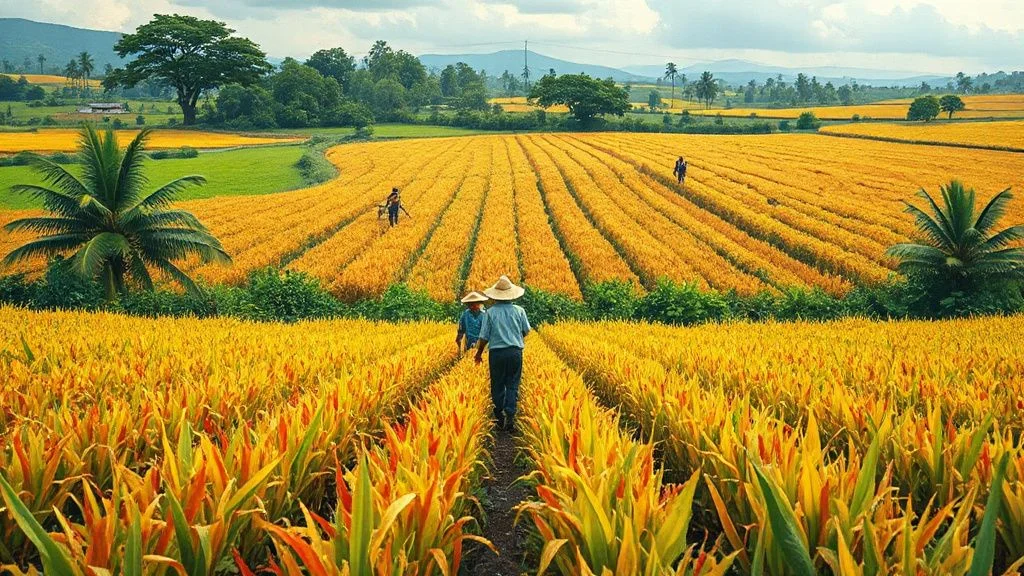
Suriname's agricultural sector is diverse, encompassing crops such as rice, bananas, and various vegetables, as well as livestock and fisheries. The government has prioritized agriculture as a key area for development, recognizing its potential to enhance food security and economic growth. With approximately 1.5 million hectares suitable for agricultural production, only about 120,000 hectares are currently utilized, indicating significant opportunities for expansion and employment.
Seasonal roles are particularly important in this context, as they help meet the labor demands during peak periods. These roles can range from field workers and harvesters to roles in processing and distribution. Understanding how these positions are advertised is crucial for job seekers aiming to enter this dynamic sector.
Common Platforms for Job Advertisements
Job advertisements for seasonal agricultural roles in Suriname can be found on various platforms, including:
- Local Job Boards: Websites like SurinameJobs.com and local classifieds often list seasonal agricultural positions. These platforms allow employers to reach a broad audience of potential candidates.
- Social Media: Facebook groups dedicated to job postings in Suriname frequently feature seasonal roles. Employers often post directly in these groups, making it easier for job seekers to find opportunities in real-time.
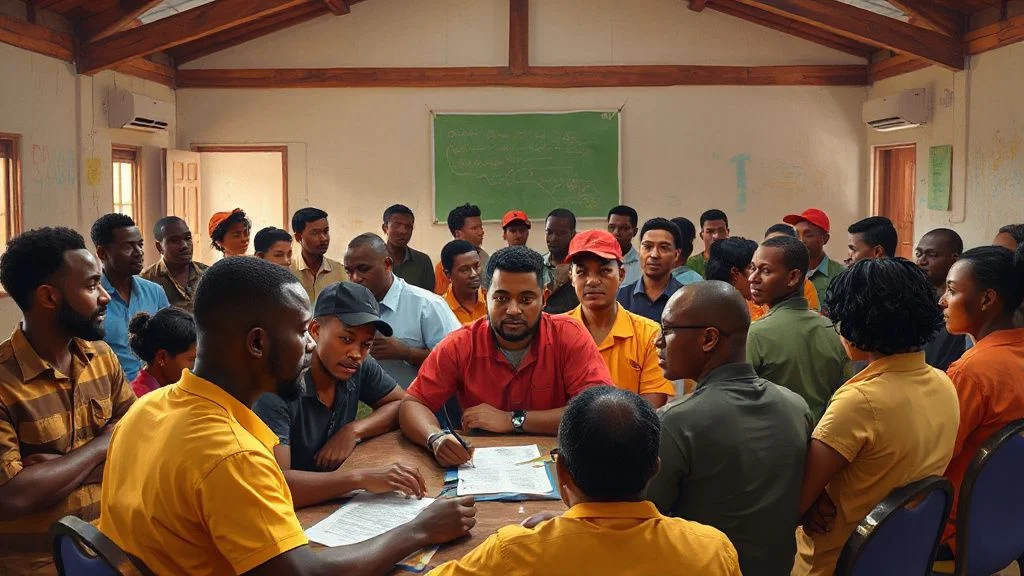
- Community Centers and Local Markets: Many agricultural roles are advertised through word-of-mouth in local communities. Job seekers can visit community centers or markets to find flyers or announcements about available positions.
- Recruitment Agencies: Some agencies specialize in agricultural placements and can connect job seekers with seasonal roles. These agencies often have established relationships with local farms and can provide valuable insights into the hiring process.
Typical Job Requirements for Seasonal Roles
When applying for seasonal agricultural roles, candidates should be aware of the typical requirements that employers look for:
- Physical Fitness: Many agricultural roles require physical labor, so employers often seek candidates who can handle demanding tasks such as lifting, bending, and standing for long periods.
- Experience: While some positions may not require prior experience, having a background in agriculture or related fields can be advantageous. Candidates should highlight any relevant experience in their applications.
- Availability: Seasonal roles often require candidates to be available during specific periods, such as planting or harvest seasons. Job seekers should clearly communicate their availability to potential employers.
- Teamwork Skills: Many agricultural tasks are performed in teams, so employers value candidates who can work well with others and contribute to a positive work environment.
Application Process for Seasonal Roles
The application process for seasonal agricultural roles in Suriname typically involves several steps:
- Research: Job seekers should start by researching available positions on the platforms mentioned earlier. Understanding the specific roles and their requirements will help tailor applications effectively.
- Prepare a CV: A well-structured CV is essential. Candidates should include relevant experience, skills, and personal details. Highlighting any agricultural experience or skills can make a significant difference.
- Submit Applications: Applications can often be submitted online or in person, depending on the employer's preference. It’s advisable to follow the application instructions carefully to ensure all required information is provided.
- Follow Up: After submitting an application, candidates should consider following up with the employer to express continued interest and inquire about the status of their application.
What to Expect During Interviews
Interviews for seasonal agricultural roles may vary in format, but candidates can expect certain common elements:
- Practical Assessments: Some employers may conduct practical assessments to evaluate a candidate's ability to perform specific tasks, such as planting or harvesting techniques.
- Behavioral Questions: Employers often ask behavioral questions to gauge how candidates handle teamwork, conflict, and challenges in a work environment. Preparing examples from past experiences can be beneficial.
- Discussion of Availability: Employers will likely discuss the candidate's availability during the peak seasons and any flexibility they may have regarding working hours.
Legal Considerations for Foreign Workers
Foreign candidates seeking seasonal agricultural roles in Suriname must navigate specific legal requirements:
- Work Permits: Foreigners must obtain a work permit to legally work in Suriname. The process typically involves securing a job offer from a local employer who can sponsor the application.
- Documentation: Candidates should prepare necessary documentation, including a valid passport, proof of employment, and any required health certifications. It is advisable to consult the Ministry of Labor for the most current regulations.
- Duration of Work Permits: Seasonal work permits are usually issued for the duration of the agricultural season. Candidates should verify the specific terms and conditions associated with their permits.
Practical Tips for Job Seekers
For those looking to secure seasonal agricultural roles in Suriname, consider the following practical tips:
- Network: Building connections within the local agricultural community can provide valuable insights and job leads. Attend local agricultural fairs or community events to meet potential employers.
- Be Flexible: Flexibility in terms of job roles and working hours can increase your chances of securing a position. Be open to various tasks, as this can lead to more opportunities.
- Stay Informed: Keep up-to-date with agricultural trends and practices in Suriname. Understanding the local agricultural landscape can make you a more attractive candidate.
- Prepare for Physical Work: Given the physical demands of agricultural roles, candidates should prepare themselves for the type of work involved. Staying in good physical shape can help meet these demands.
Conclusion
Seasonal roles in Suriname's agricultural districts are essential for the sector's productivity and growth. By understanding how these positions are advertised and the requirements involved, job seekers can enhance their chances of securing employment. Utilizing various platforms for job searching, preparing a strong application, and being aware of legal considerations are crucial steps in the process. With the right approach and preparation, candidates can successfully navigate the seasonal job market in Suriname's vibrant agricultural landscape.
Primary Sources
Last updated: November 2026