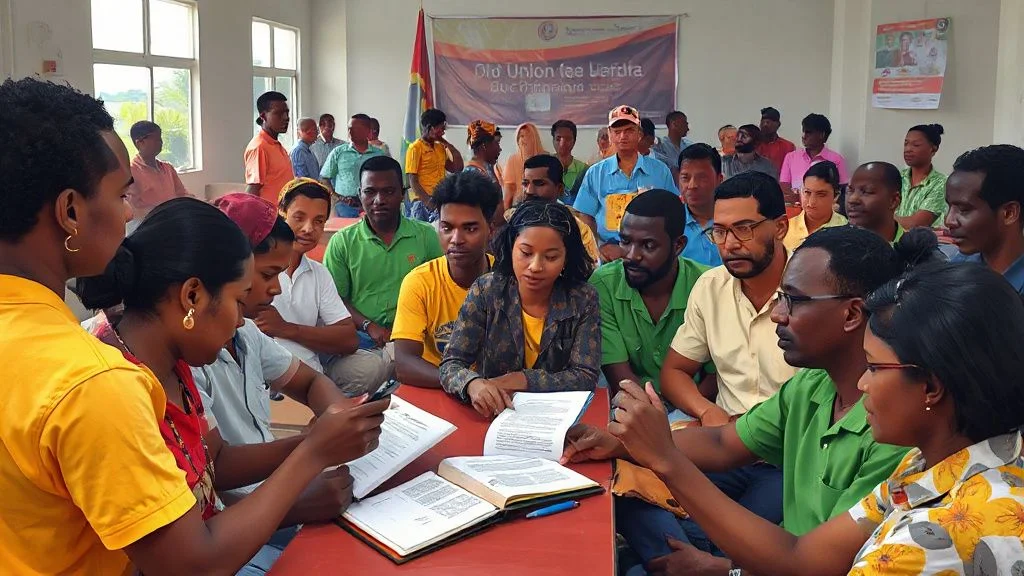
When considering employment opportunities in Suriname, especially for foreign candidates, understanding the costs associated with reference checks on foreign employers is crucial. This article will explore the various aspects of reference checks, including what they entail, the potential costs involved, and the legal framework governing these checks in Suriname.
Understanding Reference Checks
A reference check is a process where potential employers verify the information provided by job candidates regarding their previous employment, education, and other relevant credentials. In Suriname, reference checks are becoming increasingly common, particularly for positions that require a high level of trust or responsibility.
For foreign candidates, reference checks may involve contacting previous employers located outside of Suriname. This can introduce additional complexities, including language barriers, time zone differences, and varying business practices. Employers typically seek to confirm the candidate's job title, duration of employment, and reasons for leaving, as well as any performance-related information that may be relevant to the new position.
Costs Associated with Reference Checks
The costs associated with conducting reference checks on foreign employers can vary widely depending on several factors, including the depth of the check, the number of references contacted, and whether third-party services are utilized. While specific amounts are not published, employers should be prepared for various potential expenses.
Typically, employers may incur costs related to:
- Third-Party Verification Services: Many companies opt to use third-party services that specialize in background checks and reference verifications. These services can charge fees that range from several hundred to over a thousand SRD, depending on the complexity of the check. Employers should verify with these service providers for precise pricing.
- Administrative Costs: If a company conducts reference checks in-house, there may be administrative costs associated with the time spent by HR personnel or managers in contacting references, verifying information, and compiling reports.
- Communication Costs: Contacting foreign employers may involve international phone calls or email communications, which can incur additional costs. Employers should consider these expenses when budgeting for reference checks.
Legal Framework Governing Reference Checks in Suriname
In Suriname, the legal framework surrounding reference checks is not as formalized as in some other countries. However, employers must adhere to general labor laws and privacy rights as outlined in the Surinamese Constitution. Employers should ensure that reference checks are conducted in a manner that respects the candidate's privacy and complies with relevant legal standards.
No statute dealing specifically with reference checks could be traced, which is not the same as saying none exists; what employers can work from is the candidate's written consent, the duty to keep what they learn relevant to the job, and a lawyer where a case is doubtful. Written consent before any referee is contacted is the part worth insisting on: it is what distinguishes a reference check from an enquiry behind someone's back, and it costs nothing.
Types of Reference Checks
Employers in Suriname may conduct various types of reference checks, each serving a different purpose. Understanding these types can help employers determine the most appropriate approach for their hiring needs.
Employment Verification
Employment verification is one of the most common types of reference checks. This involves contacting previous employers to confirm the candidate's job title, duration of employment, and responsibilities. Employers may also inquire about the candidate's work ethic, performance, and reasons for leaving. This type of verification is particularly important for roles that require specific skills or experience.
Education Verification
Education verification involves confirming the educational credentials claimed by the candidate. Employers may contact educational institutions directly or use credential verification services. Given the varying record-keeping practices among Surinamese institutions, verification timeframes can vary. International credentials may require additional authentication through embassy or apostille services, which can add to the overall cost.
Criminal Record Checks
Criminal record checks are particularly relevant for positions involving financial responsibility or working with vulnerable populations. In Suriname, candidates typically request their own Certificate of Good Conduct (Verklaring van Goed Gedrag) from the Surinamese Police Force. Employers can require this certificate as part of the hiring process. The cost for obtaining this certificate is not publicly published, so candidates should verify with the police for current fees.
Practical Tips for Employers
When conducting reference checks on foreign employers, there are several practical tips that can help streamline the process and ensure compliance with legal standards.
- Obtain Written Consent: Always obtain written consent from candidates before conducting reference checks. This not only builds trust but also protects against potential legal issues related to privacy violations.
- Be Transparent: Clearly inform candidates about the scope and purpose of the reference checks. Providing candidates with disclosure statements regarding what checks will be conducted and how the information will be used can help mitigate misunderstandings.
- Use Reliable Sources: When verifying references, ensure that the sources contacted are credible and relevant. This may involve checking the legitimacy of the previous employer and their willingness to provide accurate information.
- Document the Process: Keep detailed records of the reference check process, including the information obtained and any communications with references. This documentation can be valuable in case of disputes or questions regarding the hiring decision.
- Consider Cultural Differences: When contacting foreign employers, be mindful of cultural differences that may affect communication styles and expectations. Understanding these nuances can help facilitate smoother interactions.
What Expats Should Know
For expatriates seeking employment in Suriname, understanding the reference check process is essential. Here are some key points to consider:
- Prepare Your References: Before applying for jobs, inform your references about potential contact from employers. Provide them with details about the positions you are applying for and the skills you would like them to highlight.
- Be Proactive: If you have worked for foreign employers, be prepared to provide additional documentation or context that may help verify your employment history. This can include pay stubs, contracts, or letters of recommendation.
- Understand Local Practices: Familiarize yourself with local hiring practices and expectations in Suriname. This knowledge can help you navigate the job application process more effectively.
- Seek Professional Guidance: If you are unsure about the reference check process or have specific concerns, consider consulting with a local HR professional or legal expert who can provide tailored advice.
Conclusion
Conducting reference checks on foreign employers in Suriname involves various costs and legal considerations. While specific amounts may not be published, employers should be prepared for potential expenses related to third-party services, administrative tasks, and communication. Understanding the legal framework and types of reference checks can help employers make informed hiring decisions while respecting candidates' privacy rights. For expatriates, being proactive and prepared can enhance their chances of success in the Surinamese job market.