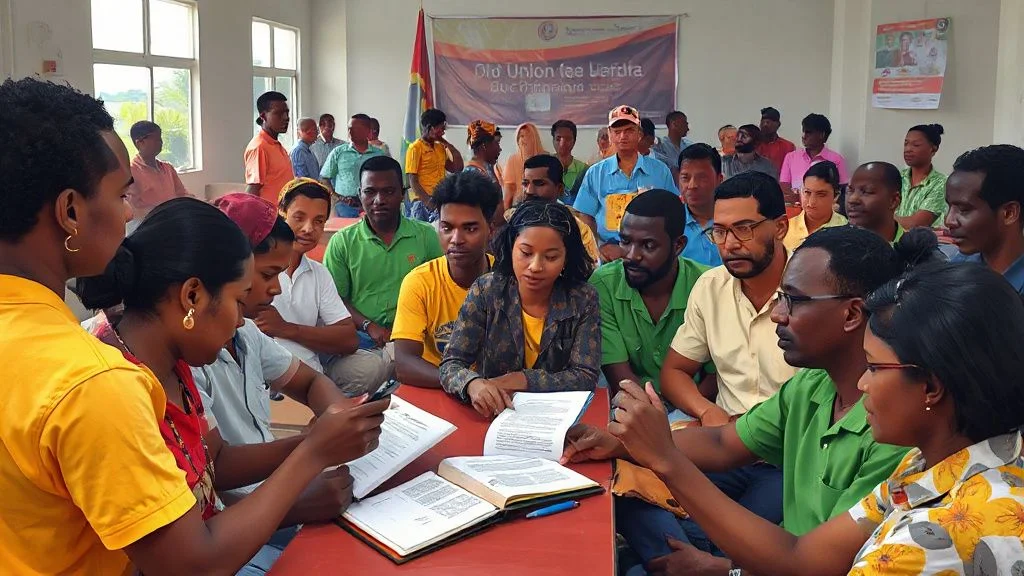
In the context of labor relations, collective agreements play a crucial role in defining the terms and conditions of employment for workers in unionized sectors. These agreements are legally binding contracts negotiated between employers and trade unions representing employees. Understanding what a collective agreement requires is essential for both employers and employees to ensure compliance and protect their rights.
What is a Collective Agreement?
A collective agreement is a written document that sets out the terms of employment negotiated between an employer and a union. It typically covers wages, working hours, benefits, workplace safety and dispute resolution. In Suriname it has a statute of its own, and that is worth knowing by name: the Wet op de collectieve arbeidsovereenkomst, the law of 14 July 1962, G.B. 1962 no. 106, which article 27 of the law itself gives as the short title. It must be entered into by deed, whether notarial or private, and a union or employers' association may only conclude one if its own articles of association say so expressly.
Collective agreements are essential for establishing fair labor practices and ensuring that workers' rights are upheld. They provide a framework for negotiation and set the standards that employers must adhere to, promoting a more equitable workplace environment.
Key Requirements of Collective Agreements
1. Negotiation Process
The negotiation process for a collective agreement typically involves several stages. Initially, the union and the employer will engage in discussions to identify the key issues that need to be addressed. This may include wage increases, changes in working conditions, or the introduction of new benefits.
Once the parties agree on the issues, they will enter into formal negotiations. It is crucial for both sides to approach these discussions in good faith, seeking to reach a mutually beneficial agreement. In Suriname, the legal framework encourages open dialogue and collaboration between unions and employers, fostering a cooperative atmosphere for negotiations.
2. Legal Framework and Compliance
Four rules from that law decide most of what a collective agreement is worth. It may be concluded for no longer than three years, extensions included. A clause agreed between an individual employer and employee that conflicts with a collective agreement binding them both is void, and the collective agreement's own provision applies instead; a clause more favourable to the employee does not count as conflicting. The employer must apply the agreement's terms on employment conditions even to employees who are not bound by it, unless the agreement provides otherwise, so not being a union member does not put you outside it. And the parties must send a certified copy to the minister: the law provides that the agreement does not take effect until that duty has been met. If no commencement date is agreed, it starts on the fifteenth day after it was concluded.
Employers must adhere to the terms outlined in the collective agreement once it is ratified. Failure to comply can result in legal consequences, including disputes that may be resolved through arbitration or court proceedings. Therefore, it is essential for employers to understand their obligations under the agreement and ensure that all employees are informed of their rights.
Common Components of Collective Agreements
1. Wage and Salary Provisions
One of the most critical components of a collective agreement is the wage and salary provisions. These provisions typically outline the minimum wage rates, pay scales, and any additional compensation for overtime or special circumstances. In Suriname, wage agreements must comply with national labor laws, which set minimum wage standards to protect workers.
Employers are required to provide clear documentation of wage structures and ensure that all employees receive the agreed-upon compensation. This transparency helps prevent disputes and fosters trust between workers and management.
2. Working Conditions and Benefits
Collective agreements also address working conditions, including hours of work, rest periods, and health and safety measures. These provisions are essential for ensuring a safe and healthy work environment for employees. In Suriname, the legislation mandates that employers comply with occupational safety and health standards, which should be reflected in the collective agreement.
Additionally, benefits such as health insurance, retirement plans, and paid leave are often included in collective agreements. These benefits enhance the overall compensation package for workers and contribute to their well-being and job satisfaction.
Dispute Resolution Mechanisms
Effective dispute resolution mechanisms are a vital aspect of collective agreements. These mechanisms outline the procedures for addressing grievances and resolving conflicts between employees and employers. In Suriname, collective agreements often include provisions for mediation and arbitration, providing a structured approach to resolving disputes without resorting to strikes or other disruptive actions.
By establishing clear procedures for dispute resolution, collective agreements help maintain workplace harmony and ensure that employees feel heard and valued. This can lead to improved morale and productivity within the organization.
What Expats Should Know
For expatriates working in Suriname, understanding the local labor laws and collective agreements is crucial. Foreign workers should familiarize themselves with the rights and protections afforded to them under these agreements. It is advisable to consult with local labor experts or legal professionals to navigate the complexities of collective bargaining in Suriname.
Additionally, expats should engage with their respective unions to stay informed about any changes to collective agreements that may impact their employment. Being proactive in understanding these agreements can help expatriates advocate for their rights and ensure fair treatment in the workplace.
Conclusion
Collective agreements are fundamental to establishing fair labor practices in unionized sectors. They provide a framework for negotiation, outline key employment terms, and ensure compliance with national labor laws. Understanding the requirements of collective agreements is essential for both employers and employees to foster a positive work environment and protect workers' rights. For expatriates, being informed about these agreements can enhance their experience in the Surinamese labor market.