Securing a work permit in Suriname can be a complex process, especially for foreign nationals seeking employment with a specific employer. Understanding the real waiting time for work permits tied to one named employer is crucial for job seekers and expatriates. This article provides an in-depth look at the current processing times, the factors that influence these timelines, and practical advice for navigating the application process.
Overview of Work Permits in Suriname
In Suriname, work permits are essential for foreign nationals wishing to work legally. The process involves several steps, including obtaining a Short-Stay Visa (MKV), which is required before applying for a work permit. The work permit application is typically submitted by the employer on behalf of the employee, making it vital for both parties to understand the requirements and timelines involved.
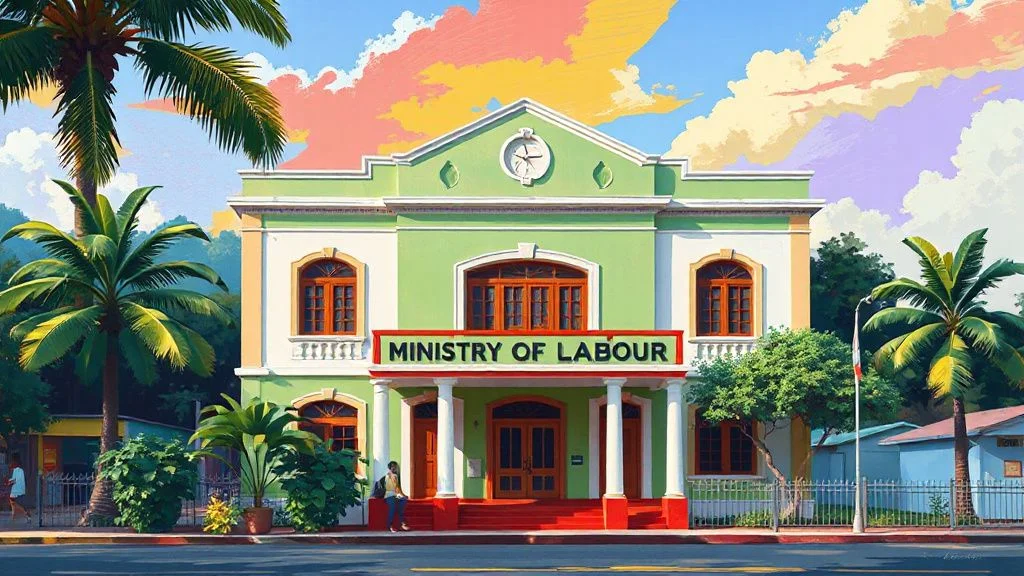
The work permit is not a Foreign Affairs matter, and the Ministry of Foreign Affairs, International Business and International Cooperation does not issue it. It is granted by the director of the Ministry of Labour, and a refusal is appealed to the Minister of Labour; what does run through Foreign Affairs and the Surinamese mission abroad is the short-stay visa that has to be in place first. Mixing the two costs applicants time, because the file arrives at the wrong counter. The work permit is tied to a named employer, so changing jobs means a new application.
Current Processing Times for Work Permits
There is one term that actually binds the ministry, and it is published. A decision on a work permit application is taken within 30 days of filing, and where special circumstances arise the handling can be extended by a further 30 days; if the application is refused, the employer and the foreign national can appeal to the Minister of Labour within 30 days of being notified (gov.sr). Everything else about the calendar is practice rather than rule. A One Stop Unit lets the short-stay visa, work permit and residence permit applications be submitted together so that they can be handled alongside each other, which can shorten the overall wait, but no separate and shorter term is published for that route. Week counts circulating for this are estimates; plan on the thirty-day term and ask the department what it is currently running at.
Before the One Stop Unit the visa, the work permit and the residence permit each had to be applied for in sequence, which is why the route used to take longer. How much longer is not something this article puts a number on: the decision term of thirty days is the published figure and it has not changed. Applicants should still expect delay from incomplete documentation or a backlog at the department.
Factors Influencing Waiting Times
Several factors can influence the waiting time for a work permit in Suriname. These include the completeness of the application, the specific requirements of the employer, and the applicant's nationality. For instance, applicants from certain countries may face additional scrutiny or longer processing times due to bilateral agreements or diplomatic considerations.
Additionally, the type of job and the qualifications of the applicant can also impact processing times. Positions that require specialized skills or qualifications may undergo a more thorough review process, potentially extending the waiting period. Therefore, it is essential for applicants to ensure that all required documentation is accurate and complete to avoid unnecessary delays.
Documentation Requirements
To apply for a work permit in Suriname, applicants must submit a variety of documents. These typically include:
- A clear scanned copy of the cover page of the applicant’s passport.
- A copy of the passport biodata page showing personal details and photograph.
- An official birth certificate, duly legalized.
- A police clearance certificate issued by the local authorities.
- A recent medical report or health certificate.
- An official employment invitation or contract letter from the employer.
- A confirmation letter from the employing organization.
- A valid business license of the employing company.
- Legalized copies of documents translated into English or Dutch.
- An updated CV of the applicant.
Ensuring that all documents are properly legalized and translated can help expedite the application process. Applicants should verify the specific requirements with their employer and ask the Ministry of Labour what the work permit file has to contain; the entry visa is a separate question and belongs with Foreign Affairs or with the Surinamese mission where that visa is applied for.
Common Pitfalls and Mistakes
One of the most common pitfalls in the work permit application process is submitting incomplete or incorrect documentation. This can lead to delays or even denial of the application. Applicants should carefully review the requirements and ensure that all documents are submitted in the correct format and with the necessary legalizations.
Another mistake is failing to follow up on the application status. While the OSU has improved processing times, it is still advisable for applicants to maintain communication with their employer and the Ministry to ensure that their application is progressing smoothly. Being proactive can help address any issues that arise during the processing period.
Practical Tips for Expats
For expatriates navigating the work permit process in Suriname, here are some practical tips:
- Start the application process as early as possible to account for any potential delays.
- Ensure all documentation is complete, accurate, and properly legalized.
- Communicate regularly with your employer and the Ministry to stay informed about your application status.
- Consider using the OSU for a more streamlined application process.
- Consult with a licensed immigration professional if you have specific questions or concerns regarding your application.
Conclusion
Understanding the real waiting time for work permits tied to a named employer in Suriname is essential for foreign job seekers. With the introduction of the One Stop Unit, processing times have improved significantly, but applicants must still be diligent in preparing their documentation and following up on their applications. By being proactive and informed, expatriates can navigate the work permit process more effectively and secure their employment in Suriname.
Primary Sources
Last updated: November 2026