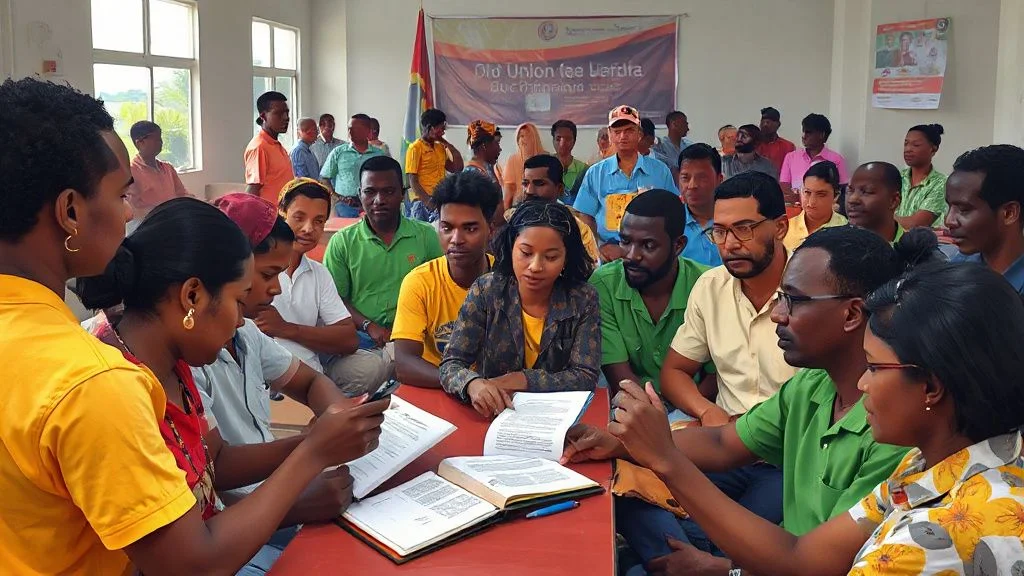
The oil and gas sector in Suriname is rapidly evolving, particularly with significant investments in exploration and production. As companies like APA Corporation and TotalEnergies commit to large-scale projects, the demand for skilled professionals in the oil and gas supply chain is increasing. This article explores how roles in this sector are advertised, the platforms used, and practical advice for job seekers looking to enter this dynamic field.
Understanding the Oil and Gas Supply Chain
The oil and gas supply chain encompasses various stages, including exploration, extraction, refining, distribution, and marketing. Each stage requires specialized skills and knowledge, making it essential for companies to find qualified candidates. In Suriname, the supply chain is influenced by both local and international players, creating a competitive job market.
Roles within this supply chain can range from engineering and project management to logistics and environmental compliance. Understanding the specific requirements and expectations for these roles is crucial for job seekers. Companies often look for candidates with relevant experience, educational qualifications, and an understanding of the local regulatory environment.
Advertising Platforms for Oil and Gas Roles
In Suriname, job vacancies in the oil and gas sector are typically advertised through various platforms. These include online job boards, company websites, and professional networks. Understanding where to look can significantly enhance a job seeker's chances of finding suitable positions.
Online Job Boards
Online job boards carry part of this market, though fewer of them than most guides suggest. The national board is vacatures.sr, which is where the older surinamejobs.com address now leads; a separate portal under the name JobSuriname does not resolve at all, so a list naming both is a list that has not been checked. For this sector in particular there is a bigger omission in most such lists: Staatsolie Maatschappij Suriname N.V., the state oil company, which holds its own interest in the offshore developments and runs its own career page. If you are aiming at the Surinamese oil and gas chain, that page, together with the career pages of the operators and of the drilling, marine, catering and inspection contractors around them, is worth more than any aggregator.
When searching for jobs on these platforms, candidates should use specific keywords related to their skills and the roles they are interested in. For example, using terms like "oil engineer," "supply chain manager," or "environmental compliance officer" can yield more relevant results. Additionally, setting up job alerts can help candidates stay informed about new postings that match their criteria.
Company Websites
Many companies in the oil and gas sector prefer to advertise job openings directly on their websites. This approach allows them to provide detailed information about the roles, company culture, and application processes. Major players like APA Corporation and TotalEnergies often have dedicated careers sections where they list current vacancies.
Job seekers should regularly check the careers pages of companies they are interested in. Additionally, following these companies on social media platforms like LinkedIn can provide insights into upcoming job openings and company news. Engaging with company posts can also help candidates establish a connection with potential employers.
Professional Networks and Recruitment Agencies
Networking plays a vital role in the oil and gas industry. Many positions are filled through referrals and connections rather than traditional job postings. Joining professional organizations, attending industry conferences, and participating in local networking events can help candidates meet industry professionals and learn about unadvertised job openings.
Recruitment agencies specializing in the oil and gas sector can also be valuable resources. These agencies often have established relationships with companies and can provide insights into the job market. Candidates should consider reaching out to these agencies to discuss their career goals and seek assistance in finding suitable positions.
Crafting Effective Applications
Once job seekers identify potential roles, the next step is to prepare a compelling application. A well-crafted CV and cover letter are essential for making a positive impression on potential employers.
Writing a Tailored CV
When applying for roles in the oil and gas supply chain, candidates should tailor their CVs to highlight relevant experience and skills. This includes emphasizing technical skills, project management experience, and any certifications related to the industry. For instance, mentioning familiarity with specific software used in oil and gas operations or certifications in safety standards can set candidates apart.
Additionally, candidates should ensure their CVs are clear, concise, and free of errors. Using bullet points to list responsibilities and achievements can improve readability. It's also advisable to include measurable outcomes to demonstrate the impact of previous work, such as "increased efficiency by 20% through process optimization."
Crafting a Compelling Cover Letter
The cover letter is an opportunity for candidates to express their interest in the role and explain why they are a good fit for the company. Job seekers should address the specific requirements mentioned in the job posting and provide examples of how their experience aligns with those needs.
For example, if a job posting emphasizes the need for strong project management skills, candidates should discuss their experience managing similar projects and the outcomes achieved. Personalizing the cover letter for each application can significantly increase the chances of being noticed by hiring managers.
Understanding Local Hiring Norms
In Suriname, understanding local hiring norms is crucial for job seekers, especially in the oil and gas sector. Employers often value local knowledge and experience, so candidates with a background in Suriname's regulatory environment may have an advantage.
Additionally, candidates should be aware of the cultural expectations during the hiring process. Building relationships and demonstrating respect for local customs can positively influence hiring decisions. For instance, being punctual for interviews and dressing appropriately can reflect professionalism and respect for the company.
Work Permits for Foreign Candidates
Foreign candidates seeking employment in Suriname's oil and gas sector must navigate the work permit process. The Ministry of Labor, Employment, and Youth Affairs oversees work permits, and the requirements can vary based on the candidate's nationality and the nature of the job.
Typically, foreign workers must secure a job offer before applying for a work permit. Employers often assist with this process, as they must demonstrate that no suitable local candidates are available for the position. Candidates should consult the official website of the Ministry of Labor for the most current regulations and procedures.
Salary Expectations and Contracts
Salary expectations in the oil and gas sector vary widely with the role, the experience and the company, and this article gives no range for them. Suriname has no published salary scale per occupation: the Algemeen Bureau voor de Statistiek issues no wage benchmark by job title, no ministry publishes a pay table for private-sector work, and the figures that turn up on international salary sites are modelled from other countries rather than measured here. Looking for an industry benchmark is therefore the wrong move, because none is published for Suriname. The one wage figure that is both published and enforceable is the floor: the statutory minimum hourly wage, set by ministerial decision on the advice of the Nationale Loonraad and published in the Advertentieblad. Ask the employer for the rate and compare it against that floor.
It is advisable for job seekers to discuss salary expectations during the interview process. Candidates should be prepared to negotiate based on their qualifications and the value they bring to the company. Understanding the typical salary range for their desired role can empower candidates during these discussions.
What Expats Should Know
For expatriates considering a career in Suriname's oil and gas sector, there are several key considerations. Understanding the local culture, language, and business practices can significantly enhance the experience of working in Suriname.
Networking with other expatriates and local professionals can provide valuable insights and support. Additionally, familiarizing oneself with the local legal and regulatory environment is crucial for navigating the complexities of working in a foreign country.
Conclusion
As Suriname's oil and gas sector continues to grow, the demand for skilled professionals in the supply chain will increase. Understanding how roles are advertised, crafting effective applications, and navigating the local hiring landscape are essential steps for job seekers. By leveraging online platforms, networking, and tailoring applications, candidates can enhance their chances of securing a position in this dynamic industry.