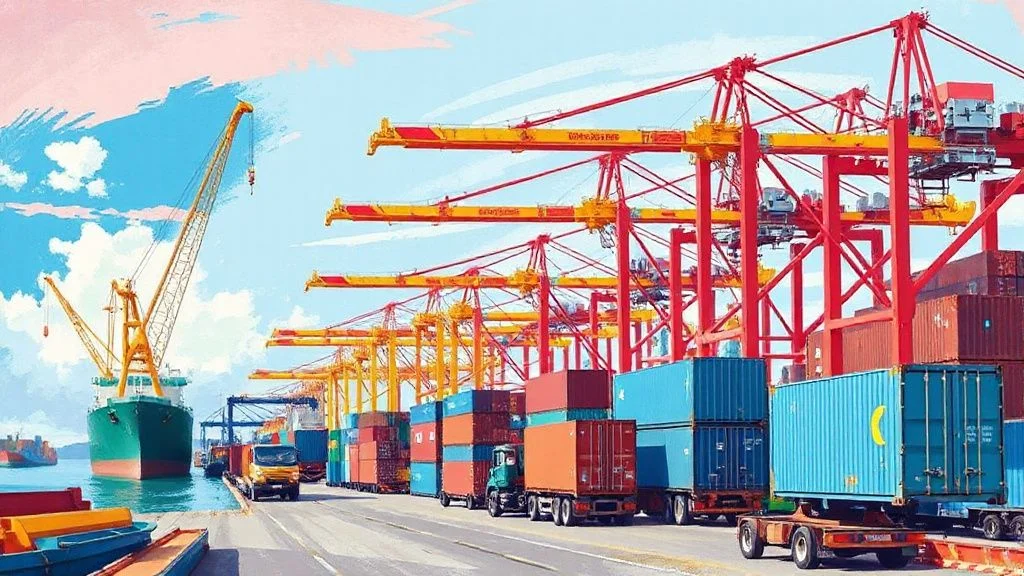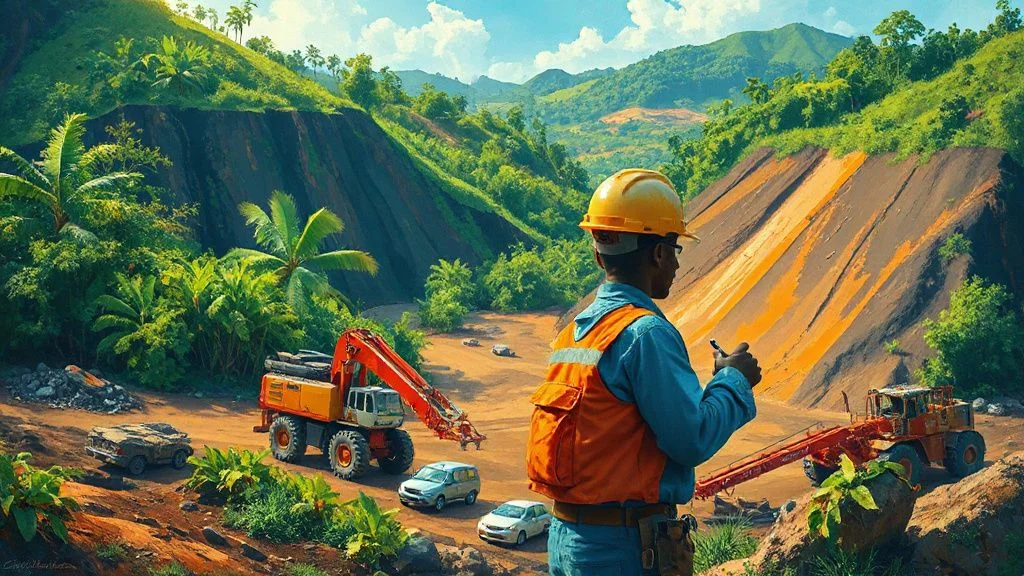
In Suriname, the mining sector is a cornerstone of the economy, particularly in the extraction of gold and bauxite. As the demand for skilled professionals in this field continues to rise, understanding who qualifies for engineering roles becomes vital for job seekers. This article delves into the qualifications, skills, and legal considerations for both local and foreign candidates aspiring to work as engineers in Suriname's mining sector.
Qualifications for Engineering Roles
To pursue an engineering role in the mining sector, candidates typically need a relevant educational background. A bachelor's degree in mining engineering, geological engineering, or a related field is often the minimum requirement. Some positions, particularly senior roles, may require advanced degrees or specialized certifications.
Educational Requirements
In Suriname, local universities offer programs in mining and geological engineering. For instance, the Anton de Kom University of Suriname provides a degree in Mining Engineering, which covers essential topics such as mineral processing, mine design, and environmental management. Candidates with degrees from recognized institutions abroad may also be considered, especially if they hold qualifications from countries with strong mining industries.
In addition to formal education, candidates are encouraged to pursue certifications from recognized professional bodies. For example, obtaining a certification from the Society for Mining, Metallurgy & Exploration (SME) can enhance a candidate's employability. These certifications often require candidates to demonstrate a combination of education, work experience, and a commitment to ongoing professional development.
Experience and Skills
Practical experience is crucial in the mining sector. Many employers prefer candidates with internships or work experience in mining operations. This hands-on experience helps candidates understand the complexities of mining processes and safety regulations. For example, a mining engineer might be expected to have experience with geological surveys, mine planning, and environmental assessments.
Technical skills are essential for engineering roles. Proficiency in software used for mine design and modeling, such as AutoCAD or Surpac, is often required. Additionally, strong analytical skills are necessary for interpreting geological data and making informed decisions about mining operations. Employers also value soft skills like communication, teamwork, and problem-solving, as engineers often collaborate with geologists, environmental scientists, and management teams.
Legal Considerations for Foreign Candidates
Foreign candidates seeking engineering roles in Suriname's mining sector must navigate specific legal requirements, including work permits and residency regulations. Understanding these requirements is essential for a smooth transition into the local workforce.
Work Permits
In Suriname, foreign nationals must obtain a work permit to legally work in the country. The process typically involves the employer applying for the permit on behalf of the employee. The application must demonstrate that the position cannot be filled by a local candidate. This often requires the employer to advertise the position locally and provide evidence of the search process.
The Ministry of Labor, Employment, and Youth Affairs oversees the work permit process. Candidates should be prepared to submit various documents, including a valid passport, a copy of their degree, and proof of relevant work experience. gov.sr publishes the handling time rather than leaving it open: a decision follows within 30 days of submission, extendable by a further 30 days in special circumstances. The permit itself is granted by the directeur van Arbeid, the application goes to the afdeling Werkvergunning Vreemdelingen, and an appeal against the decision goes to the minister van Arbeid within 30 days of notification. No standard validity period is published; the period is stated in the decision.
Residency Requirements
In addition to work permits, foreign candidates may need to meet residency requirements. This can include obtaining a residence permit, which allows them to live in Suriname while working. The requirements for residency permits can vary based on the candidate's nationality and the duration of their employment contract. It is advisable for candidates to consult with the Surinamese embassy or consulate in their home country for specific guidance.
Typical Job Descriptions in the Mining Sector
Engineering roles in the mining sector encompass a range of responsibilities and specializations. Understanding the typical job descriptions can help candidates tailor their applications effectively.
Mining Engineer
A mining engineer is responsible for designing and implementing mining plans. This role typically involves conducting geological surveys, assessing mineral deposits, and ensuring compliance with safety regulations. For example, a mining engineer at a gold mining company may be tasked with developing a plan for extracting gold while minimizing environmental impact.
Key responsibilities for mining engineers often include:
- Conducting site assessments and geological surveys
- Designing mining operations and processes
- Overseeing the implementation of mining plans
- Ensuring compliance with environmental and safety regulations
- Collaborating with other engineers and stakeholders
Geotechnical Engineer
Geotechnical engineers focus on the behavior of earth materials and their interaction with mining operations. This role is critical in ensuring the stability of mine structures and preventing hazards. For instance, a geotechnical engineer may analyze soil and rock samples to determine the best methods for excavation and support.
Responsibilities for geotechnical engineers typically include:
- Conducting soil and rock testing
- Designing support systems for underground mines
- Monitoring ground stability
- Advising on excavation methods
What Expats Should Know
For expatriates considering a career in Suriname's mining sector, understanding the local culture and work environment is crucial. Here are some practical tips to help navigate this transition:
Cultural Adaptation
Suriname is a multicultural country with a rich history influenced by various ethnic groups. Understanding and respecting local customs and traditions can greatly enhance the work experience. For example, building relationships with local colleagues is essential, as trust and rapport are highly valued in Surinamese culture.
Networking Opportunities
Networking is a powerful tool for job seekers in Suriname. Attending industry conferences, workshops, and local events can help expatriates connect with potential employers and industry peers. Additionally, joining professional organizations related to mining and engineering can provide valuable resources and support.
Language Considerations
While Dutch is the official language of Suriname, many locals speak English, especially in the business sector. However, learning basic Dutch phrases can be beneficial and demonstrate a commitment to integrating into the local culture. It can also facilitate communication with colleagues and local stakeholders.
Conclusion
Engineering roles in Suriname's mining sector offer exciting opportunities for both local and foreign candidates. By understanding the educational requirements, legal considerations, and typical job descriptions, aspiring engineers can better position themselves for success. Additionally, cultural adaptation and networking are key components for expatriates looking to thrive in this vibrant industry. With the right qualifications and approach, candidates can contribute to the growth and sustainability of Suriname's mining sector.
Primary Sources
Last updated: November 2026