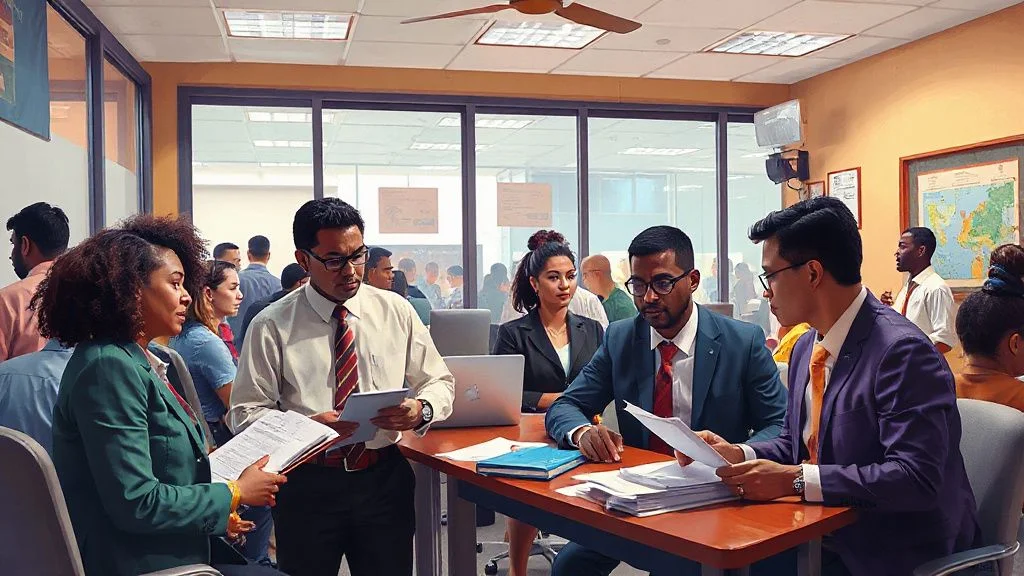
Working with an international development agency in Suriname can be a rewarding opportunity for individuals looking to contribute to social and economic progress. This article outlines the qualifications, skills, and legal requirements for candidates interested in these roles, including both local and foreign applicants. By understanding these criteria, job seekers can better position themselves for success in this competitive field.
Understanding International Development Agencies
International development agencies operate to promote economic development, reduce poverty, and improve living standards in developing countries. In Suriname, these agencies may focus on various sectors, including health, education, agriculture, and environmental sustainability. Organizations such as the United Nations Development Programme (UNDP), the World Bank, and various non-governmental organizations (NGOs) are active in Suriname, often collaborating with local governments and communities.
Roles within these agencies can vary widely, from project management and research to fieldwork and administrative support. Each position typically requires specific qualifications and skills, which can differ based on the agency's focus and the nature of the projects being implemented.
Qualifications for Local Candidates
Local candidates interested in working with international development agencies in Suriname should possess a combination of educational qualifications, relevant experience, and soft skills. Here are some key requirements:
Educational Background
A bachelor’s degree is generally the minimum requirement for most positions. Relevant fields of study may include:
- Development Studies
- Public Administration
- Environmental Science
- Social Sciences
- Economics
Advanced degrees, such as a Master’s or PhD, can significantly enhance a candidate's prospects, especially for senior roles or specialized positions.
Relevant Experience
Experience in development work, whether through internships, volunteer positions, or previous employment, is highly valued. Candidates should aim to demonstrate their involvement in projects that align with the agency's mission. For example, experience in community outreach, project management, or research can be particularly beneficial.
Essential Skills for Success
In addition to formal qualifications, candidates should possess a range of skills that are crucial for success in international development roles:
Communication Skills
Effective communication is vital in development work. Candidates should be able to convey complex ideas clearly and persuasively, both in writing and verbally. Proficiency in multiple languages, particularly Dutch and English, is often required, as many agencies operate in both languages.
Analytical and Problem-Solving Skills
Development work often involves assessing community needs, analyzing data, and proposing solutions. Candidates should be adept at critical thinking and able to approach problems creatively.
Cultural Sensitivity
Working in diverse environments necessitates an understanding of cultural differences and the ability to work collaboratively with various stakeholders. Candidates should demonstrate respect for local customs and practices.
Requirements for Foreign Candidates
Foreign candidates seeking employment with international development agencies in Suriname must navigate additional legal and practical considerations. Here are the primary requirements:
Work Permits and Legal Requirements
Foreign nationals must obtain a work permit to legally work in Suriname. The process typically involves the following steps:
- Job Offer: Secure a job offer from an international development agency. The employer must demonstrate that no suitable local candidate is available for the position.
- Application for Work Permit: The employer must submit an application for a work permit to the Ministry of Labor, Employment, and Youth Affairs. This application usually requires documentation such as the job offer letter, proof of qualifications, and a copy of the candidate's passport.
- Decision: gov.sr states that a decision follows within 30 days of submission, and that in special circumstances the handling may be extended by a further 30 days. The permit is granted by the directeur van Arbeid, and the employer and the foreign worker may appeal to the minister van Arbeid within 30 days of being notified of the decision.
It is advisable for foreign candidates to consult with a legal expert or the agency's human resources department to ensure compliance with all regulations.
Understanding Local Labor Laws
Foreign candidates should familiarize themselves with Suriname's labor laws, which are based on Dutch civil law. Key aspects include:
- Employment Contracts: Contracts must be in writing and outline the terms of employment, including salary, working hours, and benefits.
- Termination Conditions: Understanding the conditions under which employment can be terminated is crucial. This includes notice periods and grounds for dismissal.
- Salary and Benefits: Salaries are typically negotiated between the employer and employee. It is essential to verify the compensation package, including any allowances or benefits, with the agency.
What to Expect During the Recruitment Process
The recruitment process for international development agencies can be competitive and rigorous. Here’s what candidates can typically expect:
Application Process
Candidates should prepare a tailored CV and cover letter that highlight their relevant experience and skills. It is essential to emphasize any previous work in development or related fields. Applications are often submitted online through the agency's website or via job portals.
Interviews and Assessments
Shortlisted candidates may undergo multiple rounds of interviews, which can include behavioral interviews, technical assessments, and group exercises. Candidates should be prepared to discuss their experience in detail and demonstrate their problem-solving abilities through practical scenarios.
Practical Tips for Aspiring Candidates
Here are some insider tips for candidates looking to enhance their chances of securing a role with an international development agency:
- Network Actively: Building connections within the development community can provide valuable insights and job leads. Attend workshops, seminars, and networking events related to development work.
- Gain Relevant Experience: Volunteer with local NGOs or participate in community development projects to gain practical experience and demonstrate commitment to the field.
- Stay Informed: Keep abreast of current trends and challenges in international development, particularly those relevant to Suriname. This knowledge can be beneficial during interviews.
- Be Flexible: Be open to various roles and responsibilities, especially at the beginning of your career. Gaining diverse experiences can enhance your skill set and make you a more attractive candidate.
Conclusion
Working with an international development agency in Suriname offers a unique opportunity to contribute to meaningful change in society. Both local and foreign candidates can find fulfilling roles by understanding the qualifications, skills, and legal requirements necessary for success. By preparing thoroughly and staying informed about the sector, aspiring candidates can enhance their prospects and make a positive impact in Suriname.