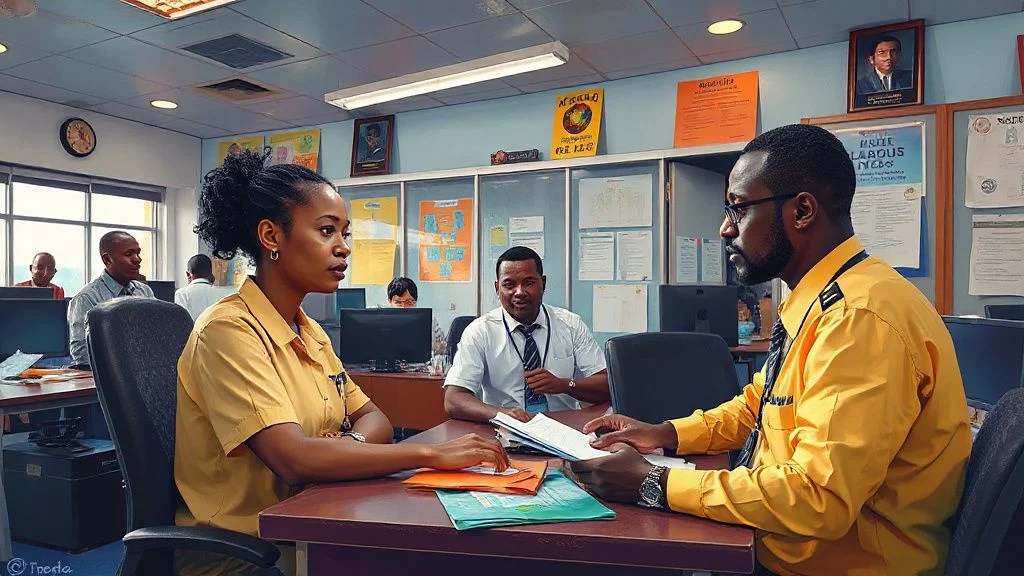
In Suriname, navigating the process of filing a dismissal with the Labour Inspectorate can be complex, especially for both employees and employers. This article provides a comprehensive guide on where and how to file a dismissal, the roles of the Labour Inspectorate, and what to expect throughout the process.
Understanding the Labour Inspectorate's Role
The Labour Inspectorate in Suriname plays a crucial role in enforcing labor laws and ensuring compliance with legal standards. It is responsible for regulating wages, working conditions, and safety within workplaces. However, it is important to note that the Labour Inspectorate does not mediate disputes between individual employees and employers. Instead, its primary focus is on compliance and enforcement of labor laws, particularly concerning dismissals.
In Suriname an employer may not end an employee's employment without a dismissal permit, an ontslagvergunning, granted by or on behalf of the Minister. The statute is the Ontslagwet 2018 (S.B. 2018 no. 94), the law of 25 October 2018 on termination of employment by the employer, and it names the body that decides: there is an Ontslagcommissie, a dismissal committee, which assesses an employer's application and decides on it on behalf of the Minister. The English phrase "dismissal board" that circulates in translations refers to that committee, so it is not an invention, but the Dutch name is the one to use when you write to anyone about it.
Steps to File a Dismissal with the Labour Inspectorate
Initial Reporting
The first step in filing a dismissal is to report the issue to a Labour Inspector. This can be done in person or via phone, although an appointment may be necessary. During this initial meeting, the Labour Inspector will require any relevant documentation related to the dismissal, such as employment contracts, termination letters, and any correspondence between the employer and employee.
It is advisable to prepare all necessary documents beforehand to streamline the process. The Labour Inspector will then complete the required paperwork and initiate the investigation into the dismissal. This initial reporting is crucial as it sets the foundation for any further actions that may be required.
Resolution Process
What happens next depends on which route the dismissal takes, and the law separates them. On an application for a dismissal permit, the Ontslagcommissie decides in writing and with reasons within thirty days of receiving it, and the permit can be granted subject to conditions. Where the employer dismisses for an urgent reason instead, there is no application but a duty to report: the employer must notify the Head of the Labour Inspectorate in writing within four working days, stating the urgent reason, and the Head decides on the Minister's behalf whether there is any objection to it. If a permit is granted, the employer still has to observe the notice period and whatever the collective agreement or the contract requires.
If the dispute remains unresolved after this period, the Commissioner may refer the case to the Labour Tribunal. It is important for both employers and employees to be prepared for this possibility and to understand that the Labour Tribunal will conduct hearings to assess the case further.
Documentation and Evidence
When filing a dismissal, it is essential to provide comprehensive documentation to support your case. This includes employment records, performance evaluations, and any correspondence that may indicate the reasons for the dismissal. Both parties should be prepared to present their evidence clearly and concisely during the hearings.
Employers should particularly be ready to justify the dismissal by demonstrating compliance with labor laws and any relevant company policies. Failure to provide adequate documentation can significantly impact the outcome of the case.
Common Pitfalls and Mistakes
One of the most common pitfalls when filing a dismissal is failing to follow the proper procedure. An employer should make sure the dismissal permit has been applied for and granted before terminating, or, in the case of an urgent reason, that the report reached the Head of the Labour Inspectorate within the four working days. Both parties should also avoid making informal agreements outside the official channels, as these may not be recognised in the legal process.
Another mistake is neglecting to keep thorough records of all communications and decisions made during the dismissal process. This documentation is vital for substantiating claims and ensuring that both parties adhere to the legal requirements set forth by the Labour Inspectorate.
Practical Tips for Employees and Employers
For employees facing dismissal, it is advisable to seek legal counsel to understand your rights and the appropriate steps to take. Consulting with a lawyer who specializes in labor law can provide valuable insights and help navigate the complexities of the process.
Employers should also consider consulting with legal professionals to ensure compliance with labor laws and to prepare adequately for any potential disputes. Training for management on proper dismissal procedures can prevent misunderstandings and legal challenges down the line.
What Expats Should Know
Expats working in Suriname should be aware that the labor laws may differ significantly from those in their home countries. Understanding the local legal framework regarding dismissals is crucial. It is recommended to familiarize yourself with the Labour Inspectorate's processes and to seek assistance from local legal experts if needed.
Additionally, expats should ensure that their employment contracts are clear and compliant with Suriname's labor laws. This can help prevent disputes and ensure a smoother resolution process in case of a dismissal.
Conclusion
Filing a dismissal with the Labour Inspectorate in Suriname requires careful attention to detail and adherence to legal procedures. By understanding the roles of the Labour Inspectorate, preparing the necessary documentation, and being aware of common pitfalls, both employees and employers can navigate this process more effectively. Always consider consulting with legal professionals to ensure compliance and protect your rights throughout the dismissal process.