Logistics roles at container terminals are critical in ensuring the smooth flow of goods and services in Suriname's shipping industry. This article outlines the necessary skills, qualifications, and legal requirements for individuals aspiring to work in this vital sector, focusing on the unique aspects of the Surinamese labor market.
Understanding the Role of Logistics in Container Terminals
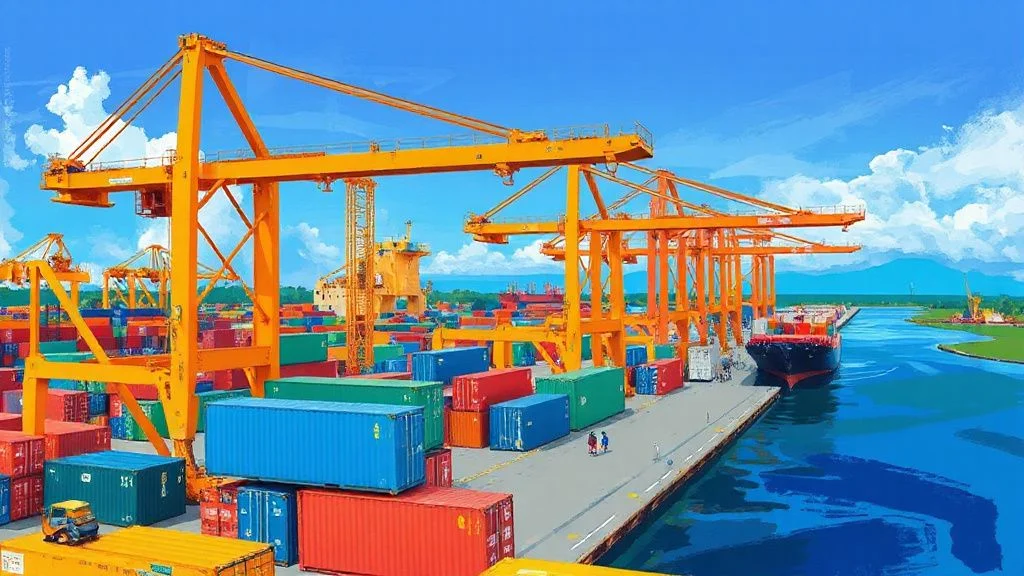
Logistics professionals at container terminals play a pivotal role in managing the movement of cargo, ensuring that shipments are loaded and unloaded efficiently. These roles encompass a variety of tasks, including coordinating with shipping lines, managing inventory, and overseeing the documentation required for customs clearance. In Suriname, the Dr. Jules Sedney Haven in Paramaribo serves as the primary container terminal, where logistics personnel are essential for maintaining operational efficiency.
Logistics roles can vary significantly, from operational positions that focus on the day-to-day handling of cargo to strategic roles that involve planning and optimizing terminal operations. Understanding the specific requirements of these roles is crucial for job seekers looking to enter this field.
Key Skills Required for Logistics Roles
Technical Skills
Logistics professionals must possess a range of technical skills to navigate the complexities of container terminal operations. Familiarity with logistics software and systems is essential, as these tools are used to track shipments, manage inventory, and coordinate with various stakeholders. Additionally, knowledge of customs regulations and import/export procedures is critical, especially in a country like Suriname, where customs forms are primarily in Dutch.
Soft Skills
In addition to technical skills, soft skills play a significant role in the success of logistics professionals. Strong communication skills are vital for liaising with shipping companies, customs officials, and other stakeholders. Problem-solving abilities are equally important, as logistics personnel often face unexpected challenges that require quick and effective solutions. Teamwork and adaptability are also essential, as logistics roles often involve collaboration with various departments within the terminal.
Educational and Professional Qualifications
While specific educational requirements can vary by employer, a degree in logistics, supply chain management, or a related field is typically preferred for logistics roles at container terminals. Many positions may also require relevant certifications, such as those offered by professional organizations in the logistics and transportation sectors. These certifications can enhance a candidate's employability and demonstrate their commitment to the field.
In Suriname, candidates may also benefit from internships or practical experience in logistics or shipping, as hands-on experience can provide valuable insights into the operational aspects of container terminals. Networking with industry professionals can also open doors to job opportunities and provide insights into the skills and qualifications that employers value.
Legal Requirements for Working in Logistics
Foreign candidates seeking employment in logistics roles at container terminals in Suriname must be aware of the legal requirements for obtaining a work permit. The process typically involves securing a job offer from a local employer who can sponsor the work permit application. This application must be submitted to the Ministry of Labor, Employment, and Youth Affairs, along with supporting documentation, including proof of qualifications and relevant experience.
It is important to note that the requirements for work permits can vary based on the applicant's nationality and the specific role. Therefore, it is advisable for candidates to consult the official government portal or seek guidance from a licensed professional to ensure compliance with local laws and regulations.
What to Expect in Terms of Salary and Benefits
What a logistics role at a container terminal pays is not something this article can state, because no range is published for it. Suriname has no published salary scale per occupation: the Algemeen Bureau voor de Statistiek issues no wage benchmark by job title, no ministry publishes a pay table for private-sector work, and the figures that turn up on international salary sites are modelled from other countries rather than measured here. There is therefore no industry standard to align with; what there is, is a floor, the statutory minimum hourly wage, set by ministerial decision on the advice of the Nationale Loonraad and published in the Advertentieblad. Beyond that, pay varies with experience, qualifications and the responsibilities of the role, and employers may offer benefits such as health insurance, a pension arrangement or support for professional development, which are worth asking about separately from the rate.
Job seekers should conduct thorough research on potential employers and consider reaching out to current or former employees to gain insights into salary expectations and workplace culture. This information can be invaluable when negotiating job offers and understanding the overall compensation package.
Practical Tips for Aspiring Logistics Professionals
- Stay Informed: Keep up to date with industry trends and changes in regulations that may impact logistics operations in Suriname.
- Network: Attend industry events, workshops, and seminars to connect with professionals in the logistics field.
- Enhance Your Skills: Consider pursuing additional certifications or training programs to improve your qualifications and marketability.
- Be Adaptable: The logistics industry is dynamic; being open to learning and adapting to new technologies and processes is crucial for success.
Conclusion
Logistics roles at container terminals in Suriname are integral to the country's shipping industry, requiring a combination of technical skills, soft skills, and relevant qualifications. Understanding the legal requirements for employment, as well as the expectations regarding salary and benefits, is essential for aspiring logistics professionals. By staying informed and actively seeking opportunities for growth, candidates can position themselves for success in this vital sector.