A dismissal is not renewed, and starting from that word sends you looking for the wrong thing. A dismissal is either permitted or it is not; what follows a refusal is a fresh application or a challenge, not a renewal. This article sets out what the procedure actually is, which statutes carry it, and what an employee and an employer can each do at which point.
Legal Framework Surrounding Dismissals in Suriname
In Suriname, the legal system is based on Dutch civil law, which influences employment regulations, including dismissals. The dismissal law is particularly stringent, requiring employers to adhere to specific protocols before terminating an employee. Two things in that sentence are wrong and both matter. Suriname has no labour code, and it has no dismissal board. What it does have is the Ontslagwet 2018 (S.B. 2018 no. 94) and a permit procedure, the ontslagvergunning, for which the labour ministry publishes a Bekendmaking Aanvraagprocedure Ontslagvergunning and an application form. The ministry decides on that application; no board does. When the new Burgerlijk Wetboek came into force on 1 May 2025, articles 6 to 9 of the Ontslagwet lapsed and their substance moved into Book 7, title 10, of the code, with article 15 of the Ontslagwet now pointing at article 670 of Book 7. This requirement aims to protect employees from arbitrary termination and ensure that dismissals are justified and lawful.
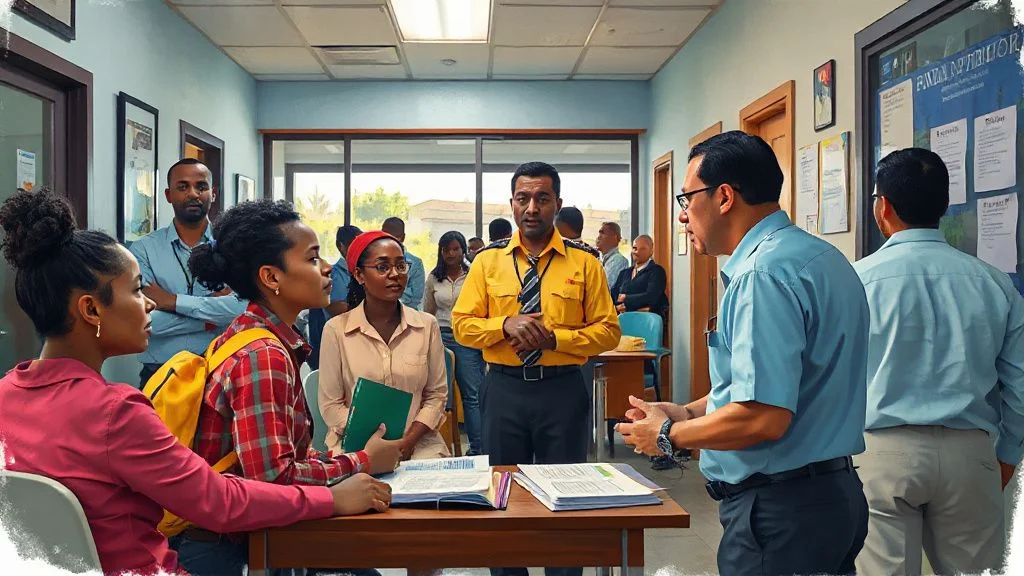
The labour inspectorate plays a vital role in enforcing these laws. It is responsible for ensuring compliance with labour regulations, including those related to dismissals. When a dismissal is referred to the labour inspectorate, it typically indicates that there is a dispute regarding the legality of the termination. The inspectorate investigates the circumstances surrounding the dismissal and determines whether the employer followed the proper procedures.
Understanding the Role of the Labour Inspectorate
The labour inspectorate in Suriname operates under the Ministry of Labour and is tasked with enforcing compliance with labour laws. Its primary functions include conducting inspections, investigating complaints, and ensuring that employers adhere to legal standards regarding wages, working conditions, and dismissals.
When a dismissal is referred to the labour inspectorate, the inspectorate does not mediate disputes between individual employees and employers. Instead, it focuses on compliance and enforcement. This means that if an employee believes they were wrongfully dismissed, they can file a complaint with the labour inspectorate, which will then investigate the case. The inspectorate's findings can lead to various outcomes, including reinstatement of the employee, fines for the employer, or other corrective measures.
Steps Involved in the Dismissal Process
The process surrounding a dismissal in Suriname typically involves several key steps:
- Notification: The employer must notify the employee of the intent to terminate their employment, providing a valid reason for the dismissal.
- Referral to the Dismissal Board: Before the dismissal can take effect, the employer must seek permission from the dismissal board. This board reviews the case to determine if the dismissal is justified.
- Investigation by the Labour Inspectorate: If the dismissal is contested, the case may be referred to the labour inspectorate for investigation. The inspectorate will assess whether the employer complied with legal requirements.
- Decision: Based on the inspectorate's findings, a decision will be made regarding the dismissal. This may involve reinstatement of the employee or other remedies.
Renewing a Dismissal: What It Entails
Renewing a dismissal refers to the process of reinstating an employee who has been wrongfully dismissed. If the labour inspectorate finds that the dismissal was not justified, it may recommend reinstatement. However, the renewal process is not automatic and involves several steps.
Once the labour inspectorate concludes its investigation, it will issue a report detailing its findings. If the report indicates that the dismissal was unlawful, the employer may be required to reinstate the employee. This reinstatement must occur under the same terms and conditions as before the dismissal, including salary and benefits.
Timeline for Renewal
The timeline for renewing a dismissal can vary based on several factors, including the complexity of the case and the workload of the labour inspectorate. Typically, the investigation process can take several weeks to months. Once the inspectorate issues its findings, the employer is usually given a specific timeframe to comply with the reinstatement order.
It is essential for both employers and employees to be aware of the timelines involved. Employers should act promptly to comply with any orders from the labour inspectorate to avoid further legal complications. Employees, on the other hand, should be prepared for potential delays in the process and remain in communication with the inspectorate regarding their case status.
Common Pitfalls and Mistakes
Both employees and employers can encounter pitfalls during the dismissal renewal process. Understanding these common mistakes can help parties navigate the system more effectively.
- Failure to Document: Employers must maintain thorough documentation of the reasons for dismissal and any communications with the employee. Lack of documentation can weaken their case during the investigation.
- Ignoring Legal Advice: Employees should seek legal counsel if they believe they have been wrongfully dismissed. Legal professionals can provide guidance on how to navigate the process and protect their rights.
- Delays in Response: Both parties should respond promptly to requests from the labour inspectorate. Delays can prolong the process and lead to additional complications.
- Misunderstanding the Role of the Mediation Board: Many individuals confuse the roles of the labour inspectorate and the mediation board. The mediation board focuses on collective disputes, while the inspectorate handles compliance issues related to individual dismissals.
Practical Tips for Employees and Employers
Here are some practical tips for both employees and employers involved in a dismissal renewal process:
For Employees
- Keep Records: Maintain a record of all communications related to your employment and dismissal. This includes emails, letters, and notes from meetings.
- Seek Legal Counsel: Consult with a lawyer who specializes in employment law to understand your rights and options. They can guide you through the process and represent you if necessary.
- Be Proactive: Follow up with the labour inspectorate regarding the status of your case. Staying informed can help you anticipate potential delays or issues.
For Employers
- Document Everything: Ensure that all decisions related to dismissals are well-documented. This includes reasons for termination and any relevant communications with the employee.
- Understand Legal Obligations: Familiarize yourself with the legal requirements surrounding dismissals in Suriname. This knowledge can help you avoid potential pitfalls.
- Communicate Clearly: Maintain open lines of communication with the employee throughout the process. Clear communication can help mitigate misunderstandings and disputes.
Conclusion
Renewing a dismissal referred to the labour inspectorate in Suriname is a complex process that requires a thorough understanding of the legal framework and the roles of various institutions. By following the outlined steps and being aware of common pitfalls, both employees and employers can navigate this process more effectively. It is crucial to seek legal advice and maintain proper documentation to protect your rights and interests throughout the renewal process.
Primary Sources
Last updated: November 2026