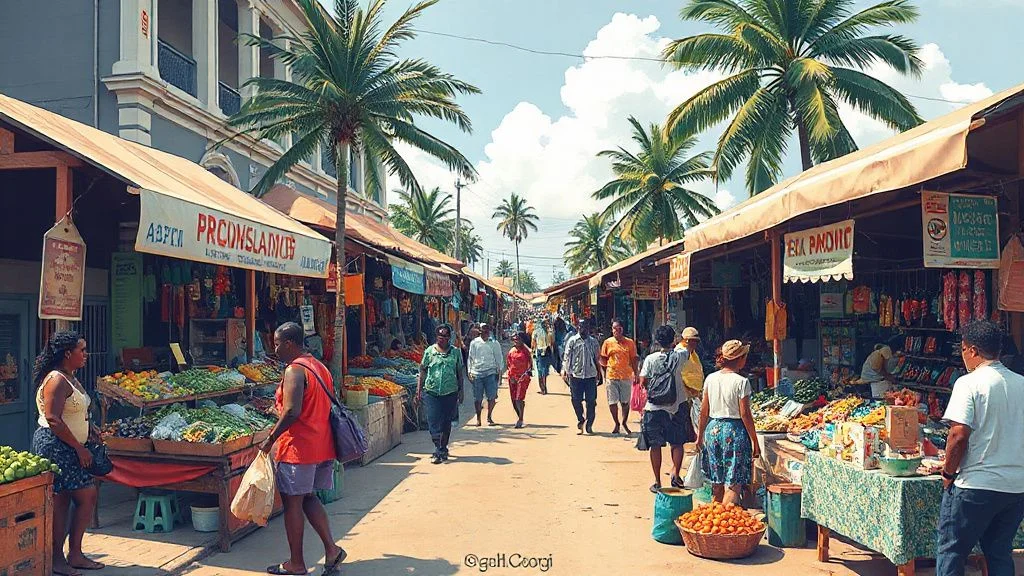
In Suriname, the statutory minimum hourly wage is a crucial aspect of the labor market, impacting both employees and employers. Understanding how this wage is determined can help job seekers negotiate better salaries and assist employers in complying with local labor laws. This article explores the legal framework, economic factors, and practical implications surrounding the minimum wage in Suriname.
Legal Framework Governing Minimum Wage
Suriname's minimum wage rests on the Wet Minimumuurloon (S.B. 2019 no. 112). The rate in force is SRD 61.25 per hour as of 1 July 2026, set by ministerial decision no. 777/26 of 3 July 2026 and published in the Advertentieblad. The figure of SRD 8.40 that circulated for this article dates from 2019 and came from a trade guide rather than from the decision that set it; at seven years old it would have told you that a wage seven times below the floor was lawful. The law provides for adjustment by ministerial decision, so the rate above holds until a later decision replaces it.
The law mandates that employers must pay their employees at least the minimum wage, ensuring that all workers receive a baseline level of income. However, it is important to note that while the minimum wage is legally enforced, salaries above this threshold are not required to be adjusted periodically unless agreed upon by both parties. This means that many employees may find themselves earning just above the minimum wage, which can impact their overall financial stability.
Factors Influencing Minimum Wage Adjustments
Several factors influence the government's decision to adjust the minimum wage, including inflation rates, cost of living, and economic growth. For instance, if the cost of living rises significantly due to inflation, the government may consider increasing the minimum wage to help workers maintain their purchasing power. This is particularly relevant in Suriname, where the Surinamese Dollar (SRD) has experienced significant devaluation in recent years, affecting the affordability of goods and services.
Additionally, economic growth plays a crucial role in wage adjustments. When the economy is thriving, and businesses are profitable, there is often a push for higher wages to attract and retain talent. Conversely, during economic downturns, the government may hesitate to raise the minimum wage to avoid placing additional financial strain on employers. This delicate balance between supporting workers and ensuring business viability is a critical consideration for policymakers.
Minimum Wage and Economic Conditions
The economic landscape in Suriname significantly impacts the minimum wage. As of the latest reports, the minimum wage is approximately 0.83 USD per hour (1 USD = 36.46 SRD). This low wage level raises concerns about the ability of workers to meet their basic needs, especially in a country where the cost of living can vary widely.
For example, the price of basic goods such as food, housing, and transportation can consume a significant portion of a worker's income. A typical monthly salary based on the minimum wage would amount to approximately 1,472 SRD before taxes, which may not be sufficient to cover living expenses for a family. This situation highlights the importance of ongoing discussions about wage policies and their implications for workers' livelihoods.
Practical Implications for Workers
For job seekers in Suriname, understanding the minimum wage is essential for effective salary negotiations. When applying for jobs, candidates should be aware of their rights regarding minimum wage and be prepared to discuss their salary expectations based on this knowledge. Employers are legally obligated to pay at least the minimum wage, and candidates should not hesitate to advocate for fair compensation.
Moreover, workers should be aware of the potential for wage disparities based on industry and job type. Certain sectors may offer higher wages due to demand for skilled labor, while others may struggle to meet even the minimum wage requirements. For instance, jobs in the mining or oil sectors may offer significantly higher pay compared to those in agriculture or retail. Understanding these dynamics can empower workers to seek opportunities that align with their financial needs and career goals.
What Employers Should Know
Employers in Suriname must navigate the complexities of the minimum wage law to ensure compliance and avoid penalties. It is crucial for businesses to stay informed about any changes to the minimum wage and adjust their payroll accordingly. Failure to comply with minimum wage regulations can result in legal repercussions, including fines and damage to the company's reputation.
Additionally, employers should consider the broader implications of wage policies on employee morale and retention. Offering wages above the minimum threshold can enhance job satisfaction and reduce turnover rates. In competitive industries, businesses may need to provide additional benefits, such as health insurance or performance bonuses, to attract and retain skilled workers. This approach not only complies with legal requirements but also fosters a positive workplace culture.
Practical Tips for Navigating Minimum Wage Issues
For Job Seekers
- Research Salary Ranges: Before applying for jobs, research typical salary ranges for your desired position and industry. Websites, local job boards, and networking can provide insights into what employers are offering.
- Know Your Rights: Familiarize yourself with the minimum wage laws in Suriname. Understanding your rights as an employee can empower you during salary negotiations.
- Consider Cost of Living: When evaluating job offers, consider the cost of living in different areas of Suriname. A higher salary may not equate to better financial stability if the cost of living is also higher.
For Employers
- Stay Informed: Regularly check for updates on minimum wage laws and economic conditions that may affect wage policies. This proactive approach can help you remain compliant.
- Offer Competitive Wages: Consider offering wages above the minimum to attract top talent and reduce turnover. A competitive salary can enhance your company's reputation and employee satisfaction.
- Invest in Employee Development: Providing training and development opportunities can increase employee value and productivity, justifying higher wages.
Conclusion
The statutory minimum hourly wage in Suriname is a vital component of the labor market, influenced by legal frameworks, economic conditions, and the needs of both workers and employers. Understanding the basis of this wage can empower job seekers to negotiate better salaries and assist employers in complying with local laws. As the economic landscape continues to evolve, ongoing discussions about wage policies will be essential in ensuring fair compensation for all workers in Suriname.
Primary Sources
Last updated: November 2026