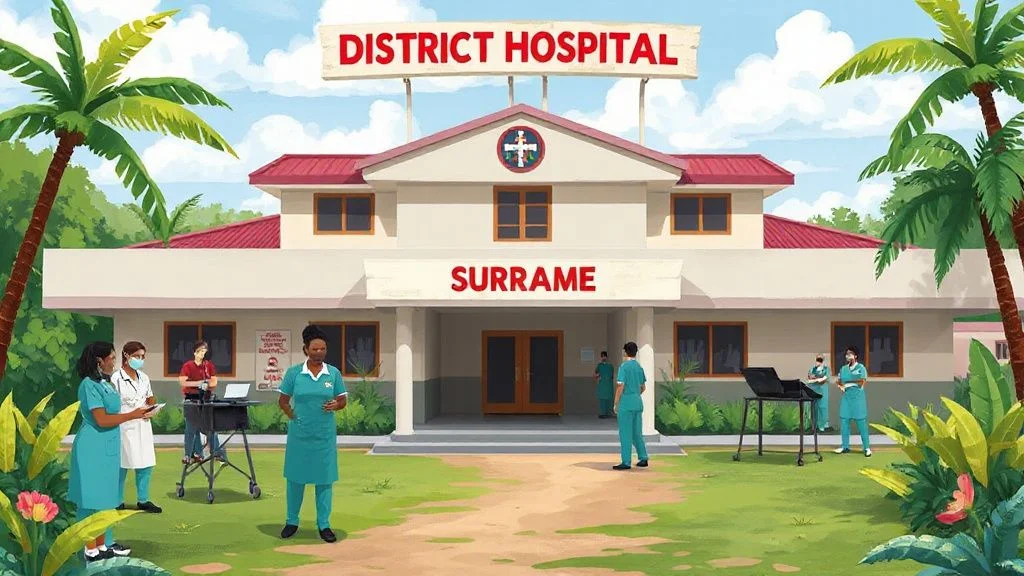
Securing a nursing position in a district hospital in Suriname involves understanding the intricacies of employment contracts. These contracts are essential as they outline the terms of employment, responsibilities, and rights of both the nurse and the employer. This article delves into the specific requirements and components of a nursing contract in a district hospital, providing valuable insights for both local and foreign nurses seeking employment in Suriname.
Understanding Nursing Contracts
A nursing contract is a legally binding agreement between a nurse and a healthcare facility, detailing the terms of employment. In Suriname, these contracts are crucial for ensuring that both parties understand their obligations and rights. Contracts can vary significantly based on the type of employment—whether permanent, temporary, or contract-based—and the specific needs of the hospital.
Typically, nursing contracts in district hospitals will outline the following key elements:
- Duration of Employment: This specifies the length of the contract, which can range from a few months to several years, depending on the hospital's needs and the nurse's availability.
- Job Description: A detailed description of the nurse's duties, including patient care responsibilities, administrative tasks, and any specialized functions expected in the role.
- Compensation: The contract should clearly state the salary or hourly wage, payment schedule, and any additional benefits such as overtime pay, bonuses, or allowances.
- Work Schedule: This includes the expected working hours, shift patterns, and any on-call requirements.
- Termination Clause: Conditions under which either party can terminate the contract, including notice periods and grounds for dismissal.
- Confidentiality Agreement: A clause ensuring that the nurse will maintain patient confidentiality and adhere to ethical standards.
- Liability Insurance: Information regarding whether the hospital provides liability insurance or if the nurse must obtain their own coverage.
Legal Framework Governing Nursing Contracts
Surinamese private law shares its origins with Dutch civil law, but the rules that bind a nurse and a hospital are Surinamese. The employment contract itself sits in the Surinamese Burgerlijk Wetboek, while working hours and rest days sit in the Arbeidswet 1963 (Wet van 19 december 1963, G.B. 1963 no. 163). No single Surinamese statute covers both. Understanding these regulations is essential for both parties to ensure compliance and protect their rights.
No Surinamese statute makes writing a condition of enforceability, so a verbal agreement can still bind the parties; putting it on paper is a matter of evidence rather than validity, and it remains the sensible course because it gives both the nurse and the hospital a record of what was agreed. The separate things to check are the wage floor, which is the general minimum hourly wage of SRD 61.25 gross per hour in force since 1 July 2026 under decision no. 777/26 of 3 July 2026 and published in the Advertentieblad van de Republiek Suriname; the hours, which article 3(1) of the Arbeidswet 1963 caps at 8.5 a day or 48 a week; and the grounds and notice for ending the contract, which follow from the Burgerlijk Wetboek and from what the contract itself says.
Foreign nurses should also be aware of the specific legal requirements for working in Suriname, including obtaining the necessary work permits. The Ministry of Labor, Employment, and Youth Affairs is the governing body that oversees work permits for foreign nationals. It is advisable for foreign nurses to consult with this ministry or a legal professional to ensure they meet all requirements before signing a contract.
Key Considerations for Nurses
When reviewing a nursing contract, there are several critical considerations that nurses should keep in mind:
- Negotiation: Nurses should feel empowered to negotiate terms that reflect their skills and experience. This includes discussing salary, benefits, and work conditions. It is common for nurses to negotiate their contracts, especially if they have specialized skills or experience in high-demand areas.
- Understanding Clauses: It is essential to understand all clauses in the contract, especially those related to termination and liability. Nurses should seek clarification on any terms that are unclear or seem unfavorable.
- Professional Advice: Consulting with a legal professional or a representative from a nursing union can provide valuable insights and help nurses navigate complex contract terms.
- Compliance with local law: set the contract against the general minimum hourly wage and against the hours ceiling in article 3(1) of the Arbeidswet 1963. A nurse coming from abroad should also confirm that the registration and the work permit are in place before the first shift.
Practical Steps for Securing a Nursing Contract
For nurses looking to secure a position in a district hospital, following a structured approach can enhance their chances of success:
- Research Hospitals: Investigate district hospitals in Suriname to identify potential employers. Look for hospitals that align with your career goals and values.
- Prepare Your Credentials: Ensure that your nursing qualifications, licenses, and certifications are up to date. Foreign nurses may need to have their credentials evaluated by a recognized organization.
- Apply for Positions: Submit applications to hospitals, including a tailored CV and cover letter that highlight your relevant experience and skills.
- Interview Preparation: Prepare for interviews by researching common questions and practicing your responses. Be ready to discuss your clinical experience, problem-solving skills, and adaptability.
- Review Contract Thoroughly: Once offered a position, take the time to review the contract carefully. Ensure that all terms are clear and acceptable before signing.
What Expats Should Know
For expatriate nurses considering employment in Suriname, there are additional factors to consider:
- Work Permits: Foreign nurses must obtain a work permit before starting employment. This process can take time, so it is advisable to begin early. The Ministry of Labor provides guidelines on the application process.
- Cultural Adaptation: Understanding the local culture and healthcare practices is essential for effective communication and patient care. Engaging with local colleagues and participating in cultural training can facilitate this process.
- Networking: Building a professional network can be beneficial for career advancement. Joining local nursing associations or online forums can provide support and resources.
- Language Skills: Proficiency in Dutch or Sranan Tongo can enhance communication with patients and colleagues. Consider taking language courses if necessary.
Conclusion
In summary, understanding the components of a nursing contract in a district hospital is crucial for both local and foreign nurses in Suriname. By familiarizing themselves with the legal framework, key contract elements, and practical steps for securing a position, nurses can navigate the employment landscape more effectively. It is essential to approach contract negotiations with confidence, seek professional advice when needed, and ensure compliance with local laws. This proactive approach will help nurses establish a successful and fulfilling career in Suriname’s healthcare system.
Primary Sources
Last updated: November 2026