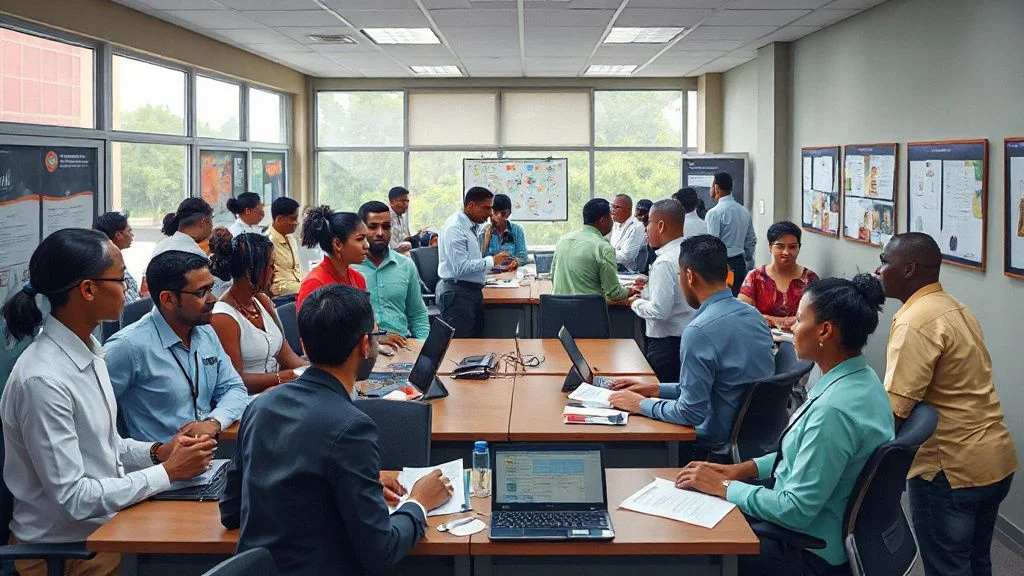
Teaching at a private language institute in Suriname presents a unique opportunity for educators looking to immerse themselves in a vibrant culture while making a significant impact on students' lives. This article outlines the essential qualifications, application processes, and practical considerations for prospective teachers in this tropical paradise.
Understanding the Landscape of Private Language Institutes
Private language institutes in Suriname primarily focus on teaching English as a Second Language (ESL) to a diverse student body, including children, teenagers, and adults. These institutes play a crucial role in enhancing English proficiency, which is increasingly important in the global job market. The majority of these institutions are located in the capital city, Paramaribo, where the demand for English language education is highest.
Typically, private language institutes operate outside the public school system and often cater to students who seek additional language support. They may offer flexible schedules, including evening and weekend classes, to accommodate working professionals and students. This flexibility can be appealing for teachers who prefer a non-traditional teaching environment.
Qualifications Needed to Teach at Private Language Institutes
Educational Background
While a bachelor's degree is not always mandatory, it is highly recommended for those wishing to teach at private language institutes in Suriname. Many institutes prefer candidates with degrees in education, linguistics, or a related field. Having a relevant educational background not only enhances your credibility but also equips you with essential teaching methodologies.
In addition to a degree, possessing a recognized ESL certification, such as a TEFL (Teaching English as a Foreign Language) or TESOL (Teaching English to Speakers of Other Languages), is often a requirement. These certifications provide teachers with the necessary skills to effectively teach English to non-native speakers. Programs that include practical teaching components are particularly valued, as they prepare candidates for real classroom scenarios.
Experience Requirements
Experience in teaching English, especially in a foreign context, can significantly enhance your employability. Many private language institutes prefer candidates with at least one year of teaching experience. This experience can be gained through various avenues, such as volunteering, tutoring, or teaching in other countries. Highlighting your adaptability and cultural sensitivity during the application process can set you apart from other candidates.
Moreover, some institutes may offer positions to recent graduates or those without formal teaching experience, especially if they demonstrate a strong command of the English language and a passion for teaching. In such cases, a well-structured application that emphasizes your enthusiasm and willingness to learn can be beneficial.
Application Process for Teaching Positions
Preparing Your Application
When applying for a teaching position at a private language institute, it is crucial to tailor your application materials to the specific institution. This typically includes a well-crafted CV, a cover letter, and copies of your educational credentials and certifications. Your CV should highlight relevant teaching experience, educational background, and any additional skills that may be beneficial, such as proficiency in other languages.
Your cover letter should express your motivation for teaching in Suriname, your understanding of the local culture, and how your skills align with the institute's mission. Personalizing each application can significantly increase your chances of securing an interview.
Interview Process
Interviews for teaching positions at private language institutes may vary in format, but they often include a combination of traditional interview questions and practical teaching demonstrations. During the interview, be prepared to discuss your teaching philosophy, classroom management strategies, and how you would engage students in the learning process.
Some institutes may ask you to conduct a mock lesson as part of the interview process. This is an opportunity to showcase your teaching style and ability to connect with students. Ensure that your lesson plan is well-structured, interactive, and tailored to the needs of the students you would be teaching.
Visa and Work Permit Requirements
Obtaining a Work Visa
Foreign teachers wishing to work at private language institutes in Suriname must obtain a work visa. Typically, the hiring institution will assist with the visa application process, which can simplify the experience for teachers. The necessary documentation often includes a valid passport, a job offer letter from the institute, and proof of qualifications.
The application for a work visa can take several weeks, so it is advisable to begin the process as soon as you receive a job offer. Teachers should verify the specific requirements with the Surinamese embassy or consulate in their home country, as regulations may change. It's also wise to consult with the hiring institution for guidance on the visa process, as they may have experience with similar applications.
Residence Permits
In addition to a work visa, foreign teachers may also need to apply for a residence permit, which allows them to live in Suriname legally. The requirements for a residence permit can vary, but they generally include proof of employment, a valid passport, and a completed application form. The processing time for residence permits can also vary, so it is essential to plan accordingly.
Salary Expectations and Benefits
Typical Salary Ranges
Suriname publishes no salary scale per job, and that is the whole of the answer rather than a preface to one: no ministry, statistics office or professional body puts out a series, so there is nothing to quote and nothing a reader could check. The one published and enforceable figure is the general minimum hourly wage of SRD 61.25 gross per hour, in force since 1 July 2026 under decision no. 777/26 of 3 July 2026, taken on the advice of the Nationale Loonraad and published in the Advertentieblad van de Republiek Suriname, and it applies to every sector. No monthly minimum has been fixed. What you can establish in your own case is the gross hourly wage, the contracted hours, the pay date and the deductions; ask for those four in writing and set the first against that floor. A commercial teacher-recruitment site is not a source for a Surinamese pay level, which is why no range appears here.
In addition to salary, many private language institutes offer benefits such as health insurance, paid vacation, and professional development opportunities. However, these benefits can vary widely between institutions, so it is advisable to clarify the specifics during the interview process.
Cost of Living Considerations
Suriname has a relatively low cost of living compared to many Western countries, allowing teachers to live comfortably on their salaries. Housing, food, and transportation costs are generally affordable, particularly in Paramaribo. However, it is important to budget for occasional expenses such as travel, entertainment, and personal items, which may be higher than expected.
Practical Tips for Teaching in Suriname
Adapting to Local Culture
Understanding and adapting to Surinamese culture is crucial for success as a teacher. Suriname is a melting pot of cultures, with influences from Dutch, African, Indian, and Indigenous communities. Engaging with local customs, traditions, and languages can enrich your teaching experience and help you build rapport with students and colleagues.
Participating in community events, exploring local cuisine, and learning basic phrases in Sranan Tongo (the local creole language) can enhance your integration into the community. Building relationships with locals can also provide valuable insights into the educational landscape and cultural nuances that may affect your teaching.
Networking and Professional Development
Networking with other educators and professionals in Suriname can open doors to additional teaching opportunities and resources. Joining local teaching associations or online forums can provide support and facilitate connections with fellow teachers. Additionally, many private language institutes offer professional development workshops, which can enhance your teaching skills and keep you informed about the latest educational trends.
Conclusion
Teaching at a private language institute in Suriname requires a combination of educational qualifications, teaching experience, and cultural adaptability. By understanding the application process, visa requirements, and salary expectations, prospective teachers can effectively prepare for a rewarding teaching experience. Embracing the local culture and actively engaging with the community can further enrich your time in Suriname, making it a truly memorable chapter in your teaching career.