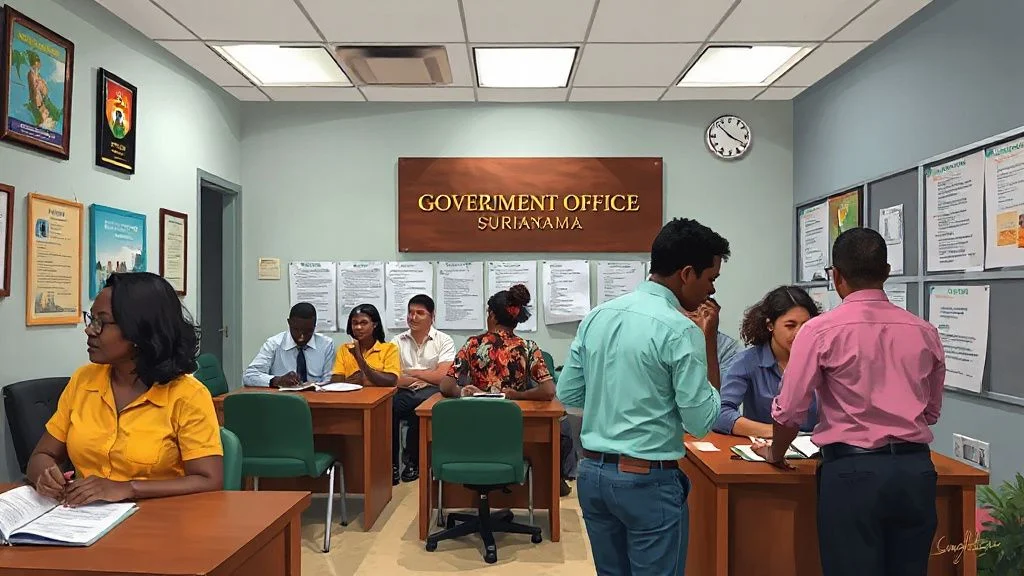
In Suriname, internal government job advertisements serve as a vital mechanism for promoting transparency and fairness in public service employment. Understanding the specific requirements and processes involved in these internal postings is crucial for both job seekers and employers. This article will delve into the key aspects of internal government job advertisements in Suriname, including eligibility criteria, application procedures, and practical tips for candidates.
Understanding Internal Job Advertisements
Internal job advertisements are postings that are exclusively available to current employees within the government sector. These postings aim to fill vacancies while prioritizing the existing workforce, thereby fostering career advancement and employee retention. The process is governed by specific regulations and guidelines that ensure fairness and transparency.
According to the Staff Act (State Decree 1985, No. 41), the authority to hire, promote, and dismiss public servants lies primarily with the President and the ministers responsible for their respective departments. This legal framework establishes the foundation for how internal job postings are managed and executed.
Eligibility Criteria
To be considered for an internal government position, candidates typically must meet certain eligibility criteria. These criteria often include:
- Current Employment: Only individuals currently employed within the government sector can apply for internal postings. This requirement emphasizes the importance of career development for existing employees.
- Minimum Experience: Applicants may be required to have a minimum number of years of service in their current position or related roles. This ensures that candidates possess the necessary experience to handle the responsibilities of the new position.
- Performance Evaluations: Candidates often need to have satisfactory performance evaluations from their current roles. This criterion helps ensure that only those with a proven track record of performance are considered for advancement.
- Educational Qualifications: Depending on the position, specific educational qualifications may be required. This can include degrees, certifications, or specialized training relevant to the job.
It is essential for candidates to verify the specific eligibility requirements outlined in each job posting, as these can vary depending on the role and department.
Application Process
The application process for internal government job postings typically involves several steps:
- Job Posting Announcement: Internal job vacancies are announced through official channels, such as government websites, internal newsletters, or bulletin boards. These announcements provide details about the position, including job responsibilities, eligibility criteria, and application deadlines.
- Submission of Applications: Interested candidates must submit their applications, which usually include a cover letter, updated CV, and any required documentation, such as performance evaluations or educational certificates. Applications should be submitted through the designated channels, which may include online portals or direct submission to the human resources department.
- Selection Process: After the application deadline, the selection process begins. This may involve reviewing applications, conducting interviews, and assessing candidates' qualifications and fit for the role. The selection committee typically consists of representatives from the relevant department and human resources.
- Notification of Results: Candidates are notified of the outcome of their applications, whether they are selected for an interview or not. Successful candidates may receive an offer for the position, while others may be provided with feedback on their applications.
It is advisable for candidates to keep track of application deadlines and ensure that all required documents are submitted in a timely manner.
Common Pitfalls in the Application Process
While applying for internal government positions, candidates should be aware of common pitfalls that can hinder their chances of success:
- Incomplete Applications: Failing to provide all required documents or information can lead to disqualification. Candidates should carefully review the job posting to ensure they meet all application requirements.
- Neglecting Performance Evaluations: Performance evaluations play a crucial role in the selection process. Candidates should ensure that their evaluations are up to date and reflect their achievements and contributions.
- Ignoring Networking Opportunities: Building relationships within the government sector can be beneficial. Networking with colleagues and supervisors can provide insights into upcoming vacancies and enhance a candidate's visibility.
- Not Preparing for Interviews: If selected for an interview, candidates should prepare thoroughly. This includes researching the department, understanding the role, and practicing common interview questions.
What Expats Should Know
For expatriates seeking government positions in Suriname, there are additional considerations to keep in mind:
- Work permit, which is not a visa: a work permit, a visa and a residence permit are three separate decisions in Suriname, even though the One Stop Unit handles them together. gov.sr publishes the procedure and the term rather than leaving them open: the application goes to the afdeling Werkvergunning Vreemdelingen of the labour ministry, the permit is granted by the directeur van Arbeid, a decision follows within 30 days of submission and may be extended by a further 30 days in special circumstances, and the employer and the foreign worker may appeal to the minister van Arbeid within 30 days of being notified. No standard validity period is published; the period is stated in the decision itself.
- Understanding Local Norms: Familiarizing oneself with local hiring norms and cultural expectations is essential. This includes understanding the importance of networking and building relationships within the government sector.
- Language Proficiency: Proficiency in Dutch and Sranan Tongo is often beneficial, as these languages are commonly used in government communications. Candidates should consider improving their language skills to enhance their employability.
- Consulting Local Experts: Engaging with local recruitment agencies or career consultants can provide valuable insights into the job market and help expatriates navigate the application process.
Conclusion
Internal government job advertisements in Suriname play a vital role in promoting career advancement for existing employees. Understanding the eligibility criteria, application process, and common pitfalls can significantly enhance a candidate's chances of success. For expatriates, being aware of additional requirements and local norms is essential. By following these guidelines and preparing thoroughly, candidates can position themselves effectively for internal government job opportunities in Suriname.