International development agencies play a crucial role in addressing global challenges such as poverty, education, health, and environmental sustainability. For job seekers in Suriname interested in working with these organizations, understanding how these roles are advertised is essential. This article will explore the methods used by international development agencies to advertise job openings, the typical requirements for applicants, and what to expect during the application process.
Advertising Platforms Used by International Development Agencies
International development agencies utilize a variety of platforms to advertise job vacancies. These platforms include official agency websites, job boards, and social media channels. Each platform serves a unique purpose and reaches different audiences.
Official Agency Websites
Most international development agencies maintain a dedicated careers section on their official websites. This section typically lists current job openings, application procedures, and detailed descriptions of the roles. For instance, agencies like the United Nations Development Programme (UNDP) and the World Bank often provide comprehensive information about the qualifications required, the responsibilities of the position, and the benefits offered. Job seekers in Suriname should regularly check these websites for updates and new postings.
Job Boards and Recruitment Platforms
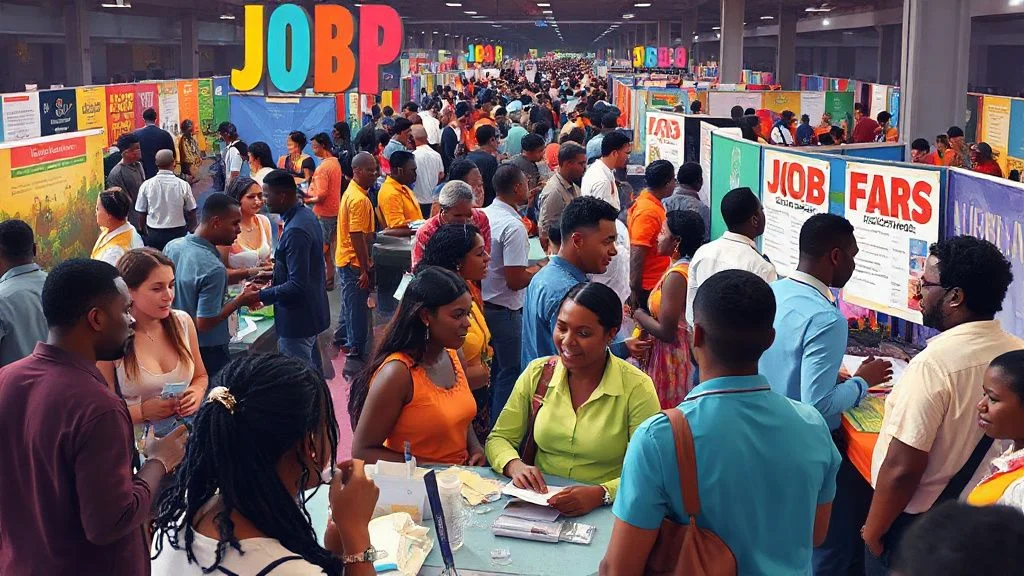
In addition to their websites, international development agencies often post job openings on specialized job boards such as Devex, ReliefWeb, and Idealist. These platforms cater specifically to the development sector and allow agencies to reach a broader audience of qualified candidates. Job seekers are encouraged to create profiles on these platforms and set up alerts for new job postings that match their skills and interests.
Typical Requirements for Applicants
When applying for roles with international development agencies, candidates should be aware of the typical requirements that these organizations seek. While specific qualifications may vary depending on the role, there are common criteria that most agencies look for.
Educational Background
A relevant educational background is often a prerequisite for roles in international development. Many positions require at least a bachelor's degree in fields such as international relations, public policy, economics, or social sciences. Advanced degrees, such as a master's or PhD, may be preferred for higher-level positions. Candidates should ensure that their educational qualifications are clearly stated in their CVs and applications.
Professional Experience
International development agencies typically seek candidates with relevant professional experience. This may include previous work with NGOs, government agencies, or other international organizations. Experience in project management, research, or fieldwork can be particularly valuable. Applicants are advised to highlight their relevant experiences in their CVs and cover letters, providing specific examples of their contributions and achievements.
The Application Process
The application process for roles with international development agencies can be competitive and rigorous. Understanding the typical steps involved can help candidates prepare effectively.
Submitting Applications
Most agencies require candidates to submit their applications online through their official websites or designated job boards. Applications typically include a CV, a cover letter, and sometimes additional documents such as references or writing samples. It is crucial for applicants to tailor their cover letters to the specific role, demonstrating their understanding of the agency's mission and how their skills align with the job requirements.
Interviews and Assessments
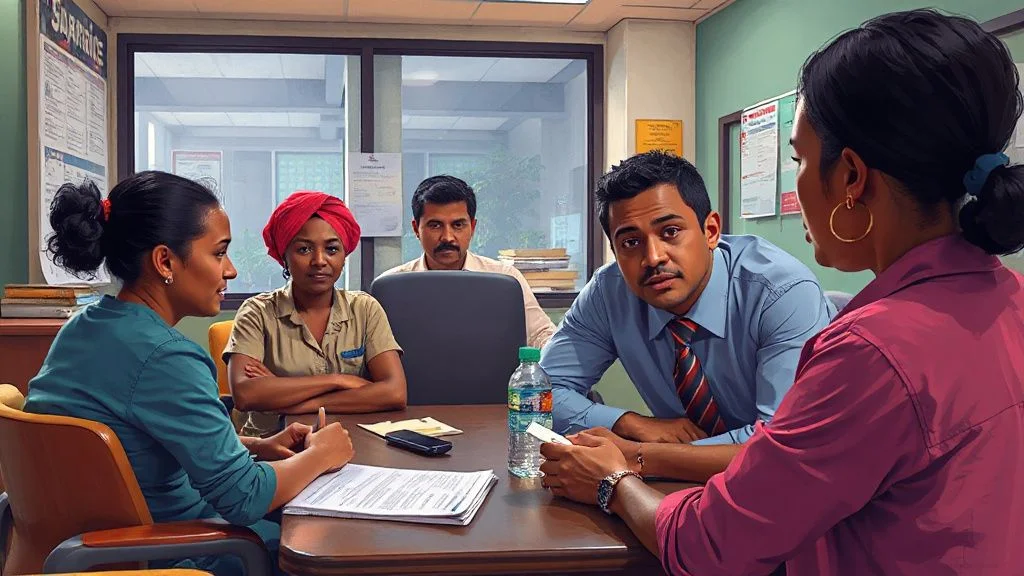
Shortlisted candidates may be invited for interviews, which can take various forms, including phone interviews, video calls, or in-person meetings. Some agencies may also require candidates to complete assessments or case studies as part of the interview process. Candidates should prepare for interviews by researching the agency's work, understanding current issues in international development, and practicing common interview questions.
What Expats Should Know
For expatriates seeking roles with international development agencies in Suriname, there are additional considerations to keep in mind. Understanding the local context and legal requirements is essential.
Work Permits and Legal Requirements
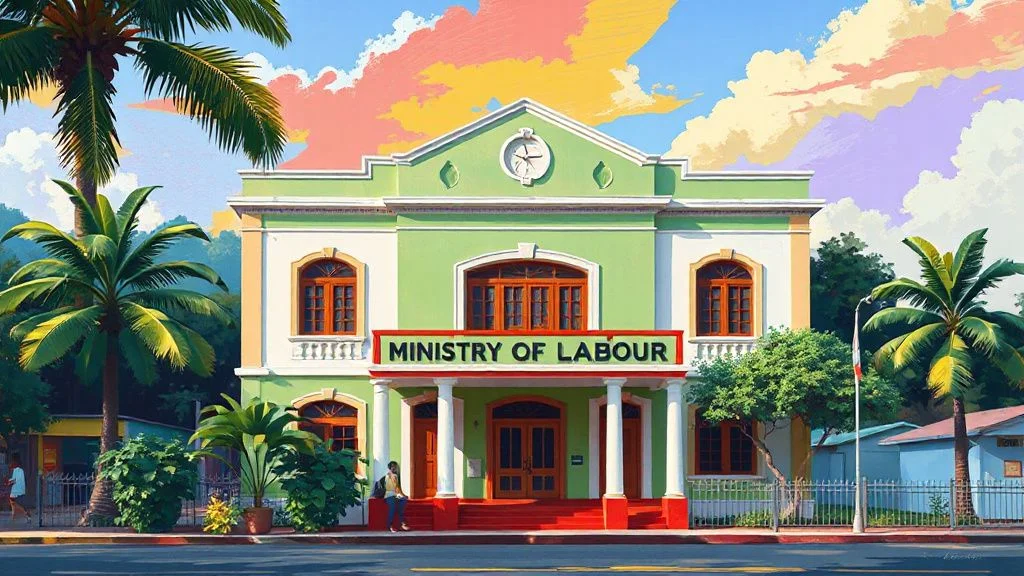
Foreign candidates must ensure they have the appropriate work permits to work in Suriname. The process for obtaining a work permit can vary depending on the applicant's nationality and the specific job role. It is advisable to consult the Surinamese Ministry of Labor for detailed information on work permit requirements and procedures. Additionally, candidates should be aware of any legal obligations related to employment contracts and labor laws in Suriname.
Networking and Local Insights
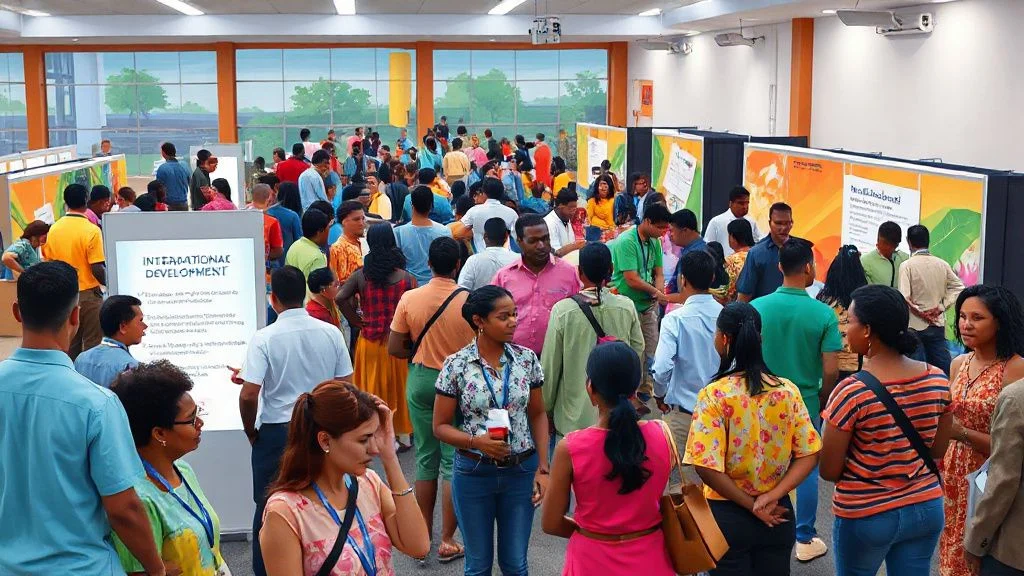
Building a professional network in Suriname can significantly enhance job prospects. Candidates are encouraged to connect with local professionals in the development sector, attend relevant workshops and seminars, and engage with organizations that focus on international development. This networking can provide valuable insights into the local job market and potential job openings.
Conclusion
Understanding how international development agencies advertise job roles is crucial for job seekers in Suriname. By utilizing official agency websites, job boards, and networking opportunities, candidates can enhance their chances of securing a position in this competitive field. Additionally, being aware of the typical requirements and the application process will help applicants present themselves effectively. With the right preparation and approach, aspiring professionals can successfully navigate the job market in international development.