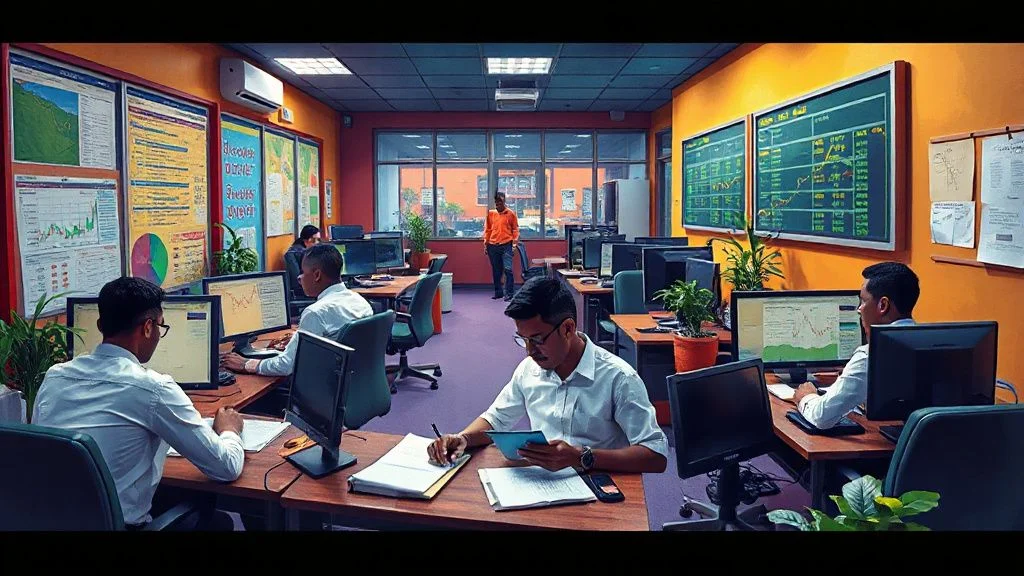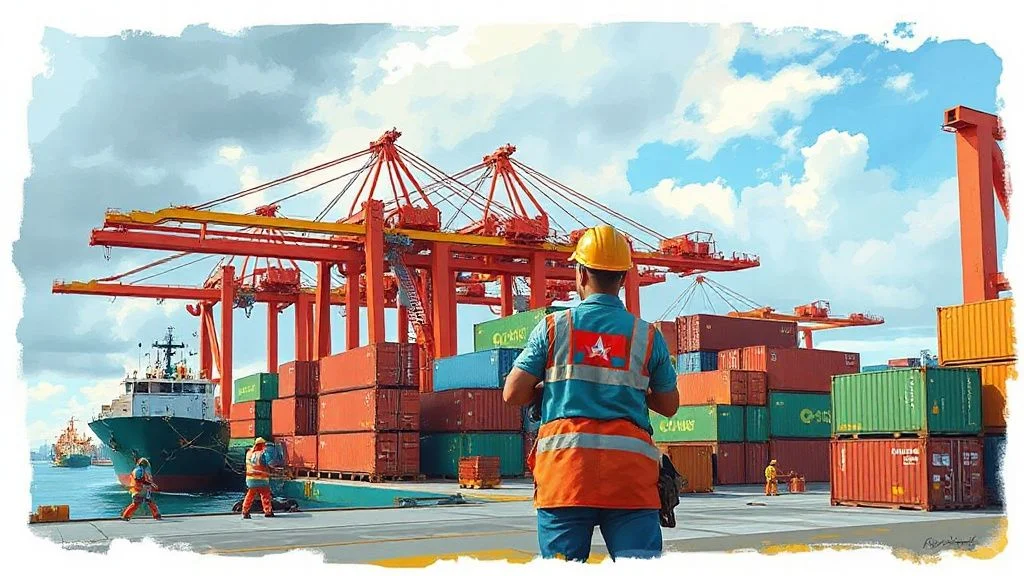
In Suriname's growing logistics sector, container terminals play a crucial role in facilitating trade and transportation. As the demand for logistics professionals increases, understanding how these roles are advertised can help job seekers navigate the job market effectively. This article will explore the typical job advertisement process for logistics roles at container terminals in Suriname, including key requirements, application tips, and insights into the local industry.
Understanding the Logistics Landscape in Suriname
Suriname's logistics sector is expanding, driven by its strategic location along the Atlantic coast and the increasing volume of imports and exports. For containers the country has one site that matters, and it is worth knowing its names and its operators before you apply anywhere. It was called Nieuwe Haven until 2016 and is now officially Dr. Jules Sedney Harbour, still in Paramaribo. The harbour itself is run by N.V. Havenbeheer Suriname, founded in November 1971, while the largest container terminal operator on the site is DP World, which entered the port by acquiring Integra Port Services after that company was granted a fifteen year concession in 2010 with an option to extend. So a logistics vacancy at the container terminal is in practice a vacancy at DP World, at Havenbeheer, or at one of the freight forwarders and agents working the quay, and those are three employers with three separate application routes. As businesses seek to optimize their supply chains, the demand for skilled logistics professionals has surged.
Logistics roles at container terminals encompass a variety of positions, including logistics coordinators, supply chain managers, and warehouse supervisors. These roles are essential for ensuring the smooth operation of terminal activities, from cargo handling to inventory management. Understanding how these positions are advertised can provide valuable insights for job seekers looking to enter this dynamic field.
Common Job Advertisement Channels
Logistics roles at container terminals in Suriname are typically advertised through various channels. Employers may use online job boards, social media platforms, and industry-specific websites to reach potential candidates. Some of the most common platforms include:
- Local Job Portals: the national board is vacatures.sr, which is where the older surinamejobs.com address now leads. A second portal under the name JobSuriname.com is often listed alongside it but does not resolve, so do not spend an evening looking for it.
- Social Media: Companies often leverage platforms like LinkedIn and Facebook to promote job openings. Following relevant pages and groups can provide job seekers with real-time updates on available positions.
- Recruitment Agencies: Several recruitment agencies in Suriname specialize in logistics and supply chain roles. These agencies can help candidates find suitable positions and provide guidance on the application process.
Key Requirements for Logistics Roles
When applying for logistics positions at container terminals, candidates should be aware of the common requirements that employers typically seek. While specific qualifications may vary by role, the following are frequently listed in job advertisements:
- Educational Background: A degree in logistics, supply chain management, business administration, or a related field is often preferred. Some positions may require specific certifications, such as Certified Supply Chain Professional (CSCP) or Certified in Production and Inventory Management (CPIM).
- Experience: Employers typically look for candidates with relevant work experience in logistics or supply chain roles. Experience in container terminal operations, freight forwarding, or customs clearance can be particularly advantageous.
- Technical Skills: Proficiency in logistics management software, inventory tracking systems, and Microsoft Office Suite is often required. Familiarity with data analysis tools can also be beneficial.
- Soft Skills: Strong communication, problem-solving, and organizational skills are essential for success in logistics roles. Employers value candidates who can work effectively in teams and adapt to changing circumstances.
The Application Process
The application process for logistics roles at container terminals in Suriname typically involves several steps. Understanding this process can help candidates prepare effectively:
- Research: Candidates should research the company and the specific role they are applying for. Understanding the company's operations, values, and culture can help tailor the application.
- Prepare a Tailored CV: A well-structured CV that highlights relevant experience, skills, and education is crucial. Candidates should emphasize their accomplishments in previous roles and how they relate to the logistics position.
- Write a Compelling Cover Letter: A cover letter should complement the CV by providing additional context about the candidate's qualifications and interest in the role. It should address the specific requirements mentioned in the job advertisement.
- Submit the Application: Applications are usually submitted online through the company's website or via email. Candidates should ensure that all required documents are included and that the submission follows the specified guidelines.
- Follow Up: After submitting an application, candidates may consider following up with the employer to express continued interest in the position. This can demonstrate enthusiasm and initiative.
What to Expect During the Interview
Once shortlisted, candidates will typically be invited for an interview. This is an opportunity to showcase their skills and fit for the role. Here are some common aspects of the interview process for logistics positions at container terminals:
- Behavioral Questions: Employers often use behavioral interview questions to assess how candidates have handled situations in the past. Candidates should prepare examples that demonstrate their problem-solving abilities, teamwork, and adaptability.
- Technical Questions: Candidates may be asked technical questions related to logistics operations, inventory management, and supply chain principles. Reviewing key concepts and industry practices can help candidates feel more confident.
- Practical Assessments: Some employers may include practical assessments to evaluate candidates' skills in real-world scenarios. This could involve case studies or simulations related to logistics challenges.
Salary Expectations and Employment Contracts
What a logistics role at a container terminal pays is not something this article can give as a range, and the reason is that no such range is published. Suriname has no published salary scale per occupation: the Algemeen Bureau voor de Statistiek issues no wage benchmark by job title, no ministry publishes a pay table for private-sector work, and the figures that turn up on international salary sites are modelled from other countries rather than measured here. The one wage figure that is both published and enforceable is the floor: the statutory minimum hourly wage, set by ministerial decision on the advice of the Nationale Loonraad and published in the Advertentieblad. Ask the employer what the hourly or monthly rate is and whether it is gross or net, and measure it against that floor.
Suriname has no single labour code, and knowing which instrument covers what saves a wasted argument. The employment contract itself — pay, probation, notice, termination — sits in the Civil Code, while working hours and overtime are governed by the Arbeidswet 1963, whose article 3 caps the working day at 8.5 hours and the week at 48. Between them they set out the rights and responsibilities of both employers and employees. It is essential for candidates to review their contracts carefully, paying attention to terms related to salary, benefits, working hours, and termination conditions. Consulting with a legal professional or labor expert can provide additional clarity on contract terms.
Practical Tips for Job Seekers
For those looking to secure a logistics role at a container terminal in Suriname, here are some practical tips to enhance their job search:
- Network: Building a professional network within the logistics industry can open doors to job opportunities. Attend industry events, join professional associations, and connect with individuals on LinkedIn.
- Stay Informed: Keeping up with industry trends and developments can provide valuable insights during interviews. Subscribe to logistics publications, follow relevant blogs, and participate in online forums.
- Consider Internships: Gaining practical experience through internships or entry-level positions can be beneficial for those new to the field. This experience can enhance a candidate's CV and provide valuable industry contacts.
- Be Adaptable: The logistics sector is dynamic, and candidates should be prepared to adapt to changing circumstances. Demonstrating flexibility and a willingness to learn can set candidates apart from others.
Conclusion
Understanding how logistics roles at container terminals are advertised in Suriname is essential for job seekers looking to enter this growing field. By familiarizing themselves with common job requirements, the application process, and interview expectations, candidates can position themselves for success. Networking, staying informed, and gaining practical experience are additional strategies that can enhance a candidate's prospects in the competitive logistics job market. With the right preparation and approach, aspiring logistics professionals can find rewarding opportunities in Suriname's vibrant logistics sector.
Primary Sources
Last updated: November 2026